




What standards are there for Nickel Hard Cast Iron?
 Sep 30, 2025|
 Nickel hard cast iron is a specialized type of cast iron that offers unique properties, making it suitable for a variety of industrial applications. As a supplier of Nickel Hard Cast Iron, I understand the importance of meeting specific standards to ensure the quality and performance of our products. In this blog, I will discuss the standards that govern Nickel Hard Cast Iron, including chemical composition, mechanical properties, and manufacturing processes.
Chemical Composition Standards
The chemical composition of Nickel Hard Cast Iron is a critical factor that determines its properties. The primary alloying elements in Nickel Hard Cast Iron are nickel, chromium, and carbon. Each element plays a specific role in enhancing the material's hardness, wear resistance, and toughness.

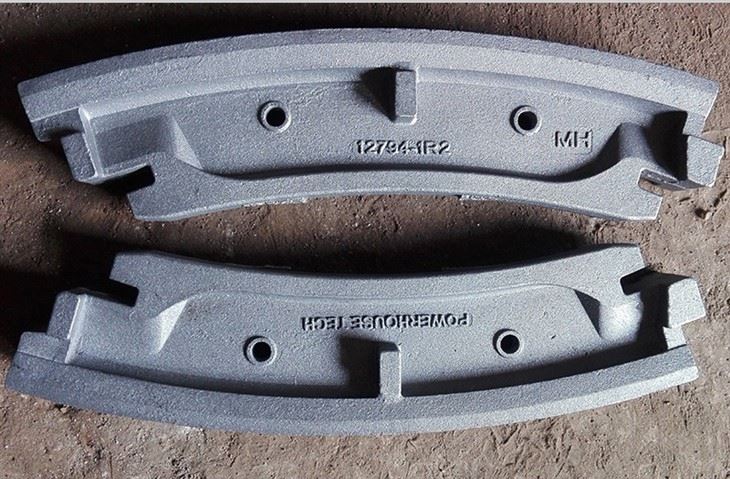
- Nickel (Ni): Nickel is added to cast iron to improve its toughness and corrosion resistance. In Nickel Hard Cast Iron, the nickel content typically ranges from 3.3% to 5.0%. Nickel also helps to stabilize the austenite phase, which is essential for achieving the desired hardness and wear resistance.
- Chromium (Cr): Chromium is another important alloying element in Nickel Hard Cast Iron. It forms hard carbides, which significantly increase the material's hardness and wear resistance. The chromium content usually ranges from 1.5% to 3.0%.
- Carbon (C): Carbon is the fundamental element in cast iron, and its content affects the material's hardness and microstructure. In Nickel Hard Cast Iron, the carbon content is typically between 2.5% and 3.6%. Higher carbon content leads to the formation of more carbides, resulting in increased hardness and wear resistance.
In addition to these primary alloying elements, Nickel Hard Cast Iron may also contain small amounts of other elements such as silicon (Si), manganese (Mn), and molybdenum (Mo) to further enhance its properties. The exact chemical composition may vary depending on the specific application and customer requirements.
Mechanical Property Standards
The mechanical properties of Nickel Hard Cast Iron are crucial for its performance in various applications. The key mechanical properties include hardness, tensile strength, and impact toughness.
- Hardness: Hardness is one of the most important properties of Nickel Hard Cast Iron. It is measured using the Brinell hardness test or Rockwell hardness test. The hardness of Nickel Hard Cast Iron typically ranges from 400 to 550 HB (Brinell hardness). Higher hardness values indicate better wear resistance.
- Tensile Strength: Tensile strength is the maximum stress that a material can withstand before breaking under tension. The tensile strength of Nickel Hard Cast Iron is usually in the range of 300 to 500 MPa.
- Impact Toughness: Impact toughness is the ability of a material to absorb energy and resist fracture under impact loading. Nickel Hard Cast Iron has relatively low impact toughness compared to other materials, but it can be improved by proper heat treatment and alloying.
Manufacturing Process Standards
The manufacturing process of Nickel Hard Cast Iron also plays a significant role in determining its quality and properties. The following are some of the key manufacturing process standards:
- Melting and Pouring: The melting process should be carefully controlled to ensure the proper chemical composition and temperature of the molten metal. The molten metal is then poured into molds to form the desired shape.
- Heat Treatment: Heat treatment is an essential step in the production of Nickel Hard Cast Iron. It involves heating the castings to a specific temperature and then cooling them at a controlled rate to achieve the desired microstructure and properties. Common heat treatment processes include annealing, quenching, and tempering.
- Quality Control: Quality control is crucial throughout the manufacturing process to ensure that the Nickel Hard Cast Iron meets the required standards. This includes chemical analysis, mechanical testing, and non-destructive testing to detect any defects or inconsistencies.
Comparison with Other Cast Irons
Nickel Hard Cast Iron is often compared with other types of cast irons, such as High Manganese Steel Castings and Grey Cast Iron Parts. Each type of cast iron has its own unique properties and applications.
- High Manganese Steel Castings: High manganese steel castings are known for their excellent impact toughness and work-hardening ability. They are commonly used in applications where high impact resistance is required, such as mining and construction equipment. In contrast, Nickel Hard Cast Iron has higher hardness and wear resistance but lower impact toughness.
- Grey Cast Iron Parts: Grey cast iron parts are relatively inexpensive and have good machinability. They are widely used in applications where low cost and moderate strength are sufficient, such as automotive engine blocks and pipes. Nickel Hard Cast Iron, on the other hand, offers superior wear resistance and is more suitable for applications with high wear requirements.
Applications of Nickel Hard Cast Iron
Nickel Hard Cast Iron is used in a wide range of applications where high wear resistance is required. Some of the common applications include:
- Mining Industry: In the mining industry, Nickel Hard Cast Iron is used for wear parts such as crusher liners, mill liners, and chute liners. These parts are subjected to severe abrasion and impact, and Nickel Hard Cast Iron's high hardness and wear resistance make it an ideal choice.
- Cement Industry: In the cement industry, Nickel Hard Cast Iron is used for components such as ball mill liners, classifier blades, and conveyor parts. These parts are exposed to abrasive materials and high temperatures, and Nickel Hard Cast Iron can withstand these harsh conditions.
- Power Generation Industry: In the power generation industry, Nickel Hard Cast Iron is used for components such as coal pulverizer parts, ash handling equipment, and boiler tubes. These parts are subjected to erosion and corrosion, and Nickel Hard Cast Iron's corrosion resistance and wear resistance make it suitable for these applications.
Conclusion
As a supplier of Nickel Hard Cast Iron, I am committed to providing high-quality products that meet the strict standards for chemical composition, mechanical properties, and manufacturing processes. By adhering to these standards, we can ensure that our Nickel Hard Cast Iron products offer excellent performance and durability in various industrial applications.
If you are in need of Nickel Hard Cast Iron for your specific application, I encourage you to contact us for a detailed discussion. Our team of experts can provide you with customized solutions based on your requirements and help you make the right choice for your project.
References
- ASM Handbook, Volume 1: Properties and Selection: Irons, Steels, and High-Performance Alloys.
- Cast Iron Technology: A Practical Guide for Engineers and Foundrymen.
- Handbook of Cast Iron.