




What is the process flow of film mulching sand castings?
 Jul 02, 2025|
 Hey there! As a supplier of Film Mulching Sand Castings, I'm super excited to walk you through the process flow of these amazing castings. It's a journey filled with precision, innovation, and a whole lot of hard work. So, let's dive right in!
1. Design and Pattern Making
The very first step in the process is all about design. We start by collaborating with our clients to understand their specific requirements. Whether it's a unique shape, size, or functionality, we take it all into account. Once we have a clear idea, our team of skilled designers gets to work using advanced CAD (Computer-Aided Design) software. This allows us to create a detailed 3D model of the casting, which helps us visualize the final product and make any necessary adjustments.
After the design is finalized, it's time to make the pattern. The pattern is essentially a replica of the casting, which is used to create the mold. We can make patterns from a variety of materials, including wood, plastic, or metal, depending on the complexity and quantity of the castings. The pattern needs to be precise and accurate, as any errors or imperfections will be transferred to the final casting.
2. Mold Preparation
Once the pattern is ready, we move on to mold preparation. The mold is what gives the casting its shape, so it's a crucial step in the process. We use a special type of sand called molding sand, which has unique properties that make it ideal for casting. The sand is mixed with a binder, which helps hold it together and gives it the necessary strength.
There are two main types of molds used in film mulching sand casting: green sand molds and dry sand molds. Green sand molds are made by packing the molding sand around the pattern while it's still wet. This is a quick and cost-effective method, but it has some limitations in terms of the complexity of the casting. Dry sand molds, on the other hand, are made by baking the molding sand after it's been packed around the pattern. This results in a stronger and more durable mold, which is suitable for more complex castings.
After the mold is made, we carefully remove the pattern, leaving a cavity in the shape of the casting. We also add any necessary cores to the mold, which are used to create internal features such as holes or passages in the casting.
3. Melting and Pouring
Now that the mold is ready, it's time to melt the metal. We use a furnace to heat the metal to its melting point, which can vary depending on the type of metal being used. Some common metals used in film mulching sand casting include Grey Cast Iron Parts, Nickel Hard Cast Iron, and High Manganese Steel Castings.
Once the metal is melted, we carefully pour it into the mold through a pouring basin and a runner system. The pouring needs to be done slowly and steadily to ensure that the metal fills the mold completely and evenly. We also need to be careful not to introduce any air bubbles or impurities into the metal, as this can affect the quality of the casting.

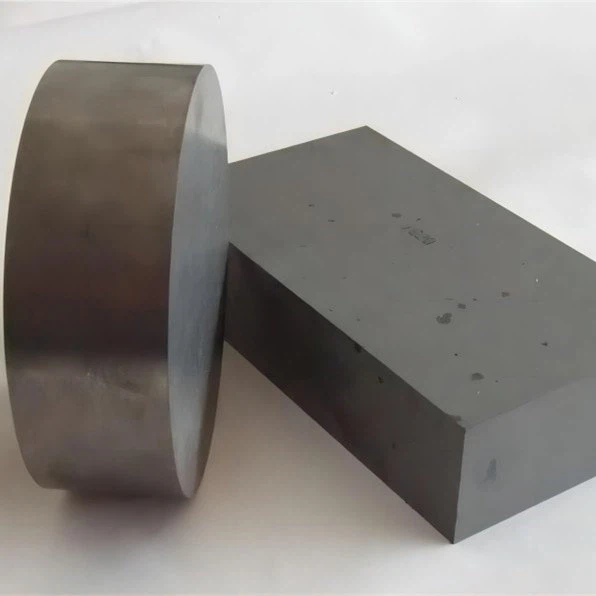
4. Cooling and Solidification
After the metal is poured into the mold, it starts to cool and solidify. This process can take anywhere from a few minutes to several hours, depending on the size and complexity of the casting. During this time, it's important to control the cooling rate to ensure that the casting solidifies evenly and without any defects.
We use a variety of techniques to control the cooling rate, such as using cooling fins or water jackets. We also monitor the temperature of the casting using thermocouples to make sure it's cooling at the right rate. Once the casting has solidified, we remove it from the mold.
5. Cleaning and Finishing
Once the casting is removed from the mold, it's time to clean and finish it. The casting will have a rough surface and some excess material, such as the runner and riser systems, which need to be removed. We use a variety of tools and techniques to clean the casting, including sandblasting, grinding, and machining.
After the casting is cleaned, we can perform any necessary finishing operations, such as painting, plating, or heat treatment. These operations can improve the appearance, durability, and performance of the casting.
6. Inspection and Quality Control
Before the casting is shipped to the customer, we conduct a thorough inspection to ensure that it meets the required specifications and quality standards. We use a variety of inspection techniques, including visual inspection, dimensional inspection, and non-destructive testing, such as ultrasonic testing or X-ray testing.
If any defects or imperfections are found during the inspection, we take the necessary steps to correct them. This may involve reworking the casting or scrapping it if it can't be repaired.
7. Packaging and Shipping
Once the casting has passed the inspection, we carefully package it to protect it during shipping. We use a variety of packaging materials, such as cardboard boxes, wooden crates, or plastic wraps, depending on the size and weight of the casting.
We also make sure to label the package clearly with the necessary information, such as the customer's name and address, the part number, and the quantity. Finally, we arrange for the casting to be shipped to the customer using a reliable shipping carrier.
So, there you have it - the process flow of film mulching sand castings. It's a complex and fascinating process that requires a lot of skill and expertise. At our company, we're committed to providing high-quality castings that meet the needs of our customers. Whether you're looking for Grey Cast Iron Parts, Nickel Hard Cast Iron, or High Manganese Steel Castings, we've got you covered.
If you're interested in learning more about our film mulching sand castings or have a specific project in mind, we'd love to hear from you. Just reach out to us, and we'll be happy to discuss your requirements and provide you with a quote. Let's work together to bring your ideas to life!
References
- Campbell, J. (2003). Castings. Butterworth-Heinemann.
-ASM Handbook Committee. (2008). ASM Handbook Volume 15: Casting. ASM International. - Kalpakjian, S., & Schmid, S. R. (2014). Manufacturing Engineering and Technology. Pearson.