




What is the impact of biomass grates on global warming potential?
 Jun 24, 2025|
 As a leading supplier of Biomass Grates, I've witnessed firsthand the growing interest in biomass energy as a sustainable alternative to traditional fossil fuels. Biomass grates play a crucial role in biomass combustion systems, and understanding their impact on global warming potential (GWP) is essential for making informed decisions about energy use. In this blog, I'll explore the various aspects of how biomass grates influence GWP and why they are a key component in the fight against climate change.
Understanding Biomass Energy and Grates
Biomass energy is derived from organic materials such as wood, agricultural residues, and dedicated energy crops. When these materials are burned in a biomass boiler, the heat generated can be used for heating, electricity generation, or industrial processes. Biomass grates are the platforms on which the biomass fuel is placed and burned. They are designed to ensure efficient combustion by providing proper air distribution, supporting the fuel, and facilitating the movement of ash.
The Role of Biomass Grates in Reducing GWP
One of the primary ways biomass grates contribute to reducing GWP is by enabling more efficient combustion of biomass fuels. When biomass is burned efficiently, more energy is extracted from the fuel, and less unburned material is released into the atmosphere. This means that fewer greenhouse gases, such as carbon dioxide (CO2), methane (CH4), and nitrous oxide (N2O), are emitted per unit of energy produced.
Efficient combustion also reduces the formation of particulate matter (PM), which can have a significant impact on air quality and climate change. PM can absorb and scatter sunlight, affecting the Earth's energy balance, and can also contribute to the formation of clouds, which can either cool or warm the planet depending on their properties. By minimizing PM emissions, biomass grates help to mitigate these indirect climate effects.
In addition to improving combustion efficiency, biomass grates can also be designed to optimize the use of different types of biomass fuels. Some grates are specifically designed for wood chips, while others are better suited for agricultural residues or pellets. By matching the grate design to the fuel type, operators can ensure that the biomass is burned as efficiently as possible, further reducing GWP.
Types of Biomass Grates and Their Impact on GWP
There are several types of biomass grates available on the market, each with its own advantages and disadvantages in terms of GWP reduction. Here are some of the most common types:
- Fixed Grates: Fixed grates are the simplest and most traditional type of biomass grate. They consist of a stationary platform on which the biomass fuel is placed and burned. Fixed grates are relatively inexpensive and easy to maintain, but they may not provide the most efficient combustion, especially for larger biomass boilers.
- Moving Grates: Moving grates, such as chain grates and traveling grates, are designed to move the biomass fuel through the combustion chamber, ensuring more uniform combustion and better air distribution. Moving grates can be more efficient than fixed grates, but they are also more complex and expensive to install and maintain.
- Vibrating Grates: Vibrating grates use mechanical vibrations to move the biomass fuel and promote combustion. They are particularly effective for burning difficult-to-combust fuels, such as wet biomass or biomass with a high ash content. Vibrating grates can be more efficient than fixed grates, but they may require more maintenance due to the moving parts.
- Fluidized Bed Grates: Fluidized bed grates use a bed of inert material, such as sand, to support the biomass fuel and promote combustion. The bed is fluidized by a stream of air, which creates a turbulent environment that enhances combustion efficiency. Fluidized bed grates are very efficient and can burn a wide range of biomass fuels, but they are also more complex and expensive to install and operate.
When choosing a biomass grate, it's important to consider the specific requirements of the biomass boiler and the type of biomass fuel being used. Each type of grate has its own strengths and weaknesses, and the right choice will depend on factors such as the size of the boiler, the desired level of efficiency, and the budget.
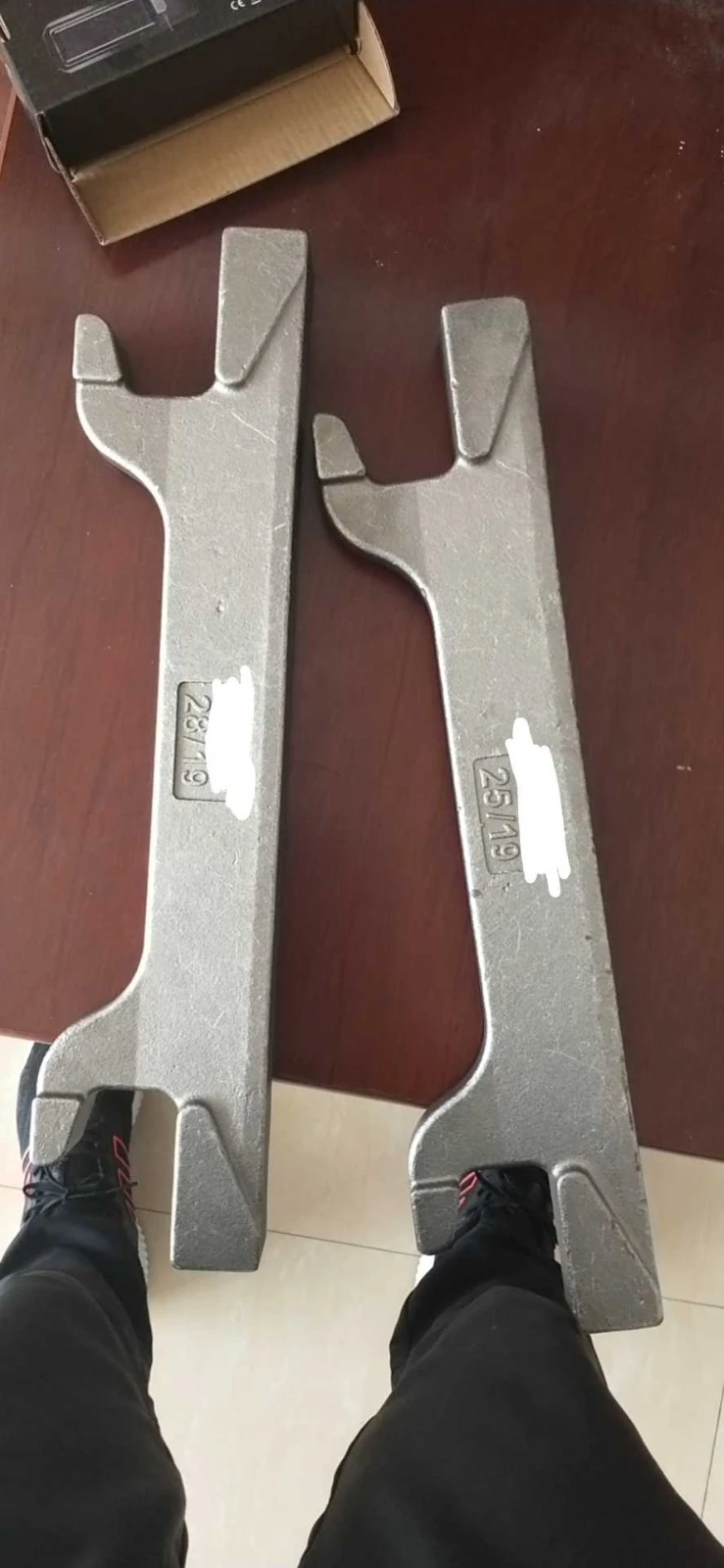

Our Biomass Grate Products
As a Biomass Grates supplier, we offer a wide range of high-quality grates designed to meet the needs of different biomass combustion systems. Our grates are made from durable materials that can withstand high temperatures and corrosive environments, ensuring long-term reliability and performance.
One of our popular products is the High Temperature Resistant Grate Bar. This grate bar is made from a special heat-resistant steel alloy that can withstand temperatures up to [X] degrees Celsius, making it ideal for use in high-temperature biomass boilers. The high temperature resistance of this grate bar helps to ensure efficient combustion and reduces the risk of premature failure.
We also offer the Grey Cast Iron Grate Bar EN-GJL-200, which is a cost-effective option for biomass boilers. This grate bar is made from grey cast iron, which has good mechanical properties and is resistant to wear and corrosion. The EN-GJL-200 grade of grey cast iron ensures high strength and durability, making it suitable for use in a variety of biomass combustion applications.
For customers who require custom solutions, we offer Custom Heat-Resistant Cast Iron Grate Bars/Grates. Our experienced engineering team can work with you to design and manufacture grates that are tailored to your specific requirements, ensuring optimal performance and efficiency.
Conclusion
Biomass grates play a crucial role in reducing GWP by enabling more efficient combustion of biomass fuels and minimizing the emission of greenhouse gases and particulate matter. By choosing the right type of biomass grate for your application and ensuring proper installation and maintenance, you can significantly reduce the environmental impact of your biomass energy system.
If you're interested in learning more about our Biomass Grates or would like to discuss your specific requirements, please don't hesitate to contact us. Our team of experts is ready to assist you in finding the best solution for your biomass combustion needs.
References
- International Energy Agency. (2021). Biomass Energy Technology Roadmap.
- IPCC. (2014). Climate Change 2014: Mitigation of Climate Change. Contribution of Working Group III to the Fifth Assessment Report of the Intergovernmental Panel on Climate Change.
- World Bioenergy Association. (2020). Global Bioenergy Statistics.