




What are the erosion - corrosion properties of High Chromium Cast Iron?
 Nov 18, 2025|
 High chromium cast iron (HCCI) is a material that has gained significant attention in various industrial applications due to its excellent wear - resistant properties. As a supplier of high chromium cast iron, I am often asked about the erosion - corrosion properties of this remarkable material. In this blog, we will delve into the details of these properties, their influencing factors, and how they impact the performance of HCCI in real - world applications.
Understanding Erosion - Corrosion
Erosion - corrosion is a complex degradation process that combines the mechanical action of erosion and the chemical action of corrosion. Erosion occurs when solid particles, liquid droplets, or gas bubbles impinge on a material surface, causing material removal through abrasion, cutting, or fatigue. Corrosion, on the other hand, is a chemical or electrochemical reaction between the material and its environment, leading to the dissolution of the material. When these two processes act simultaneously, the degradation rate can be significantly higher than the sum of the individual rates of erosion and corrosion.
Erosion - Corrosion Properties of High Chromium Cast Iron
Microstructure and Its Role
The microstructure of high chromium cast iron plays a crucial role in its erosion - corrosion properties. HCCI typically consists of a hard carbide phase (usually M₇C₃ type carbides, where M represents mainly chromium and some iron) embedded in a matrix of ferrite, austenite, or a mixture of both. The hard carbides provide excellent wear resistance against erosion, as they can withstand the impact and abrasion of solid particles. The matrix, on the other hand, affects the corrosion resistance of the material. A more stable and corrosion - resistant matrix can protect the carbides from being undermined by corrosion, thus maintaining the overall integrity of the material.
For example, in an austenitic matrix, the austenite phase has a relatively high toughness and can resist crack propagation during erosion. At the same time, if the austenite is properly alloyed with elements such as nickel and molybdenum, it can also enhance the corrosion resistance of the material. In a ferritic matrix, the ferrite has good ductility, which can help to absorb the energy of particle impact. However, ferritic matrices are generally more susceptible to corrosion compared to austenitic matrices, especially in aggressive environments.
Chromium Content
Chromium is the key alloying element in high chromium cast iron, and its content has a significant impact on both erosion and corrosion resistance. Higher chromium content leads to the formation of more carbides, which increases the hardness and wear resistance of the material. Additionally, chromium forms a passive oxide film on the surface of the material, which acts as a barrier against corrosion.
In general, as the chromium content increases, the erosion resistance of HCCI improves due to the increased carbide volume fraction. However, there is an optimal range of chromium content for corrosion resistance. If the chromium content is too high, the matrix may become more brittle, which can lead to reduced toughness and increased susceptibility to cracking during erosion. Moreover, in some environments, excessive chromium can also cause problems such as intergranular corrosion.
Impact of Environmental Factors
The erosion - corrosion behavior of high chromium cast iron is also strongly influenced by environmental factors. In an aqueous environment, the pH value, temperature, and the presence of aggressive ions such as chloride ions can all affect the corrosion rate of the material. For example, in a low - pH environment, the passive oxide film on the surface of HCCI may be dissolved, exposing the underlying material to corrosion. Chloride ions can penetrate the passive film and cause pitting corrosion, which can further accelerate the erosion process by weakening the surface of the material.
The velocity and angle of particle impact also play important roles in erosion - corrosion. Higher particle velocities increase the kinetic energy of the particles, leading to more severe erosion. The angle of impact affects the mode of erosion. At a normal impact angle, the material is mainly subjected to impact and indentation, while at an oblique impact angle, abrasion becomes more dominant.
Applications and Performance in Real - World Scenarios
Mining Industry
In the mining industry, high chromium cast iron is widely used in equipment such as slurry pumps, cyclones, and grinding balls. In slurry pumps, the impellers and casings are constantly exposed to a mixture of abrasive particles and corrosive fluids. The excellent erosion - corrosion properties of HCCI make it an ideal material for these components. The hard carbides in HCCI can resist the abrasion of ore particles, while the chromium - rich matrix can protect the material from corrosion by the acidic or alkaline solutions in the slurry.
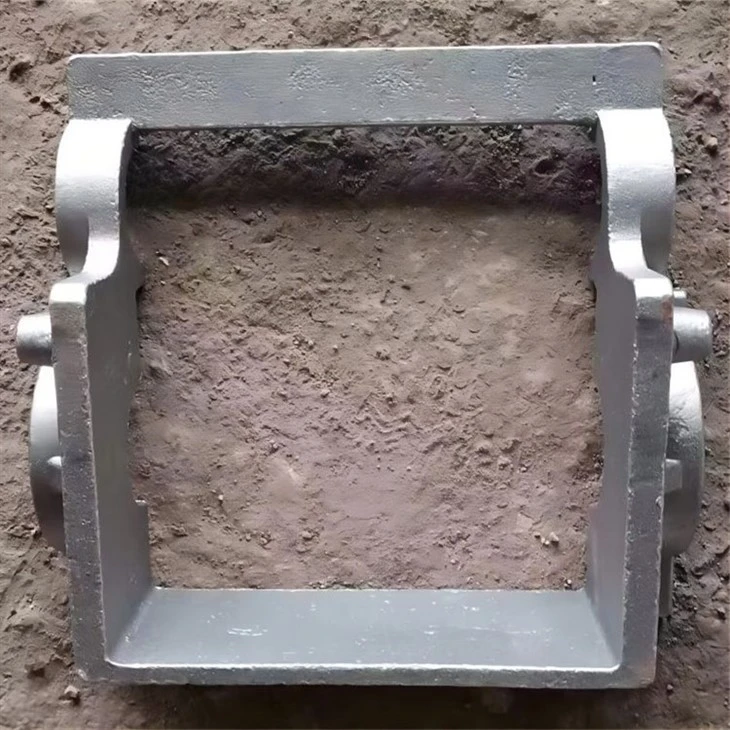
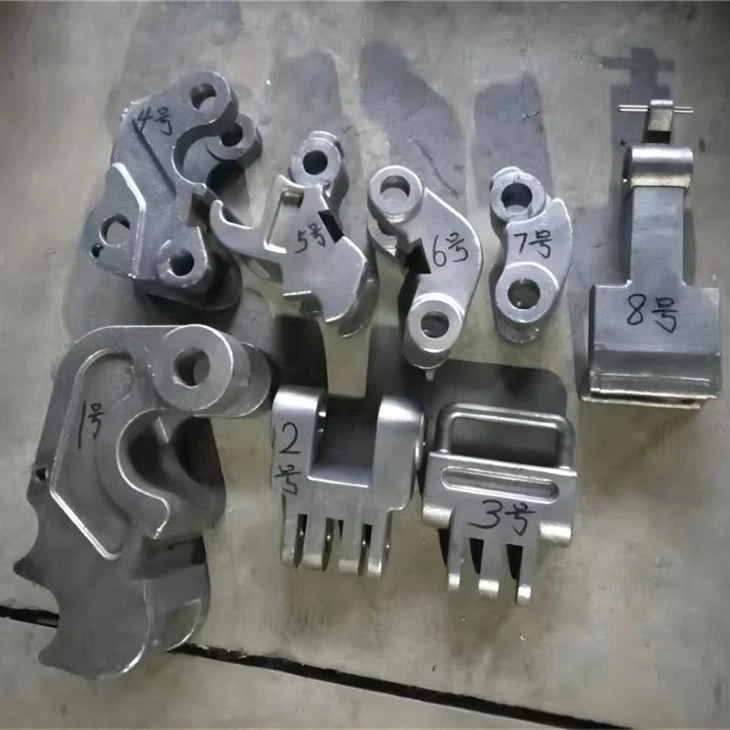
For example, Ball Grinding Cast Iron Parts made of high chromium cast iron are commonly used in ball mills. These parts are subjected to high - energy impacts and abrasion during the grinding process. The erosion - corrosion resistance of HCCI ensures a long service life for the grinding balls, reducing the frequency of replacement and improving the overall efficiency of the grinding operation.
Power Generation Industry
In the power generation industry, high chromium cast iron is used in components such as coal - fired boiler tubes and ash handling systems. In coal - fired boilers, the tubes are exposed to high - temperature flue gases containing fly ash particles, which can cause erosion. At the same time, the presence of sulfur compounds in the flue gases can lead to corrosion. HCCI with its good erosion - corrosion properties can withstand these harsh conditions, reducing the risk of tube failure and improving the reliability of the power generation system.
Comparison with Other Materials
When compared with other wear - resistant materials such as High Manganese Steel Castings, high chromium cast iron generally has better erosion - corrosion resistance in most applications. High manganese steel is known for its work - hardening ability, which can provide good wear resistance under high - impact conditions. However, in an environment where corrosion is also a significant factor, HCCI outperforms high manganese steel due to its chromium - rich composition and the presence of a passive oxide film.
Another material that is often compared with HCCI is Precision Casting Parts. Precision casting parts can be made of various materials, and their erosion - corrosion properties depend on the specific material used. In general, high chromium cast iron offers a good combination of erosion and corrosion resistance, making it a preferred choice in many applications where both wear and corrosion are concerns.
Conclusion
The erosion - corrosion properties of high chromium cast iron are a result of its unique microstructure, alloying elements, and the interaction with the environment. The hard carbides and chromium - rich matrix provide excellent wear and corrosion resistance, respectively. However, to fully utilize the potential of HCCI in different applications, it is necessary to optimize its composition and processing parameters according to the specific service conditions.
If you are in need of high - quality high chromium cast iron products for your industrial applications, we are here to provide you with the best solutions. Our high chromium cast iron products are carefully engineered to meet the most demanding erosion - corrosion requirements. Whether you need components for the mining, power generation, or other industries, we can offer you products with superior performance and long service life. Contact us for procurement and let's discuss how our high chromium cast iron can enhance the efficiency and reliability of your operations.
References
- "Wear and Erosion of Engineering Materials" by Peter K. Wright and G. W. Rowe.
- "Corrosion Science" journal articles on high chromium cast iron corrosion behavior.
- "Handbook of Wear - Resistant Materials" edited by John D. Buckley and Peter K. Wright.