




What are the effects of alloying elements on the corrosion resistance of High Chromium Cast Iron?
 Jul 28, 2025|
 Hey there! As a supplier of High Chromium Cast Iron, I've seen firsthand how alloying elements can have a huge impact on its corrosion resistance. In this blog, I'm gonna break down the effects of these elements, so you can get a better understanding of what makes High Chromium Cast Iron tick.
First off, let's talk about chromium. Chromium is the star player in High Chromium Cast Iron, and for good reason. It forms a passive oxide layer on the surface of the iron, which acts as a barrier against corrosion. This layer is self - healing, meaning that if it gets damaged, it can reform as long as there's enough oxygen present. The higher the chromium content, the more stable and protective this oxide layer is. Generally, High Chromium Cast Iron contains between 11% and 30% chromium. With this range of chromium, it can resist corrosion in a variety of environments, from mild atmospheric conditions to more aggressive chemical settings.
But it's not just about the amount of chromium. The distribution of chromium in the cast iron also matters. A uniform distribution of chromium throughout the microstructure ensures that the protective oxide layer forms evenly. If there are areas with lower chromium content, these can become weak spots where corrosion can start.
Now, let's move on to nickel. Nickel is often added to High Chromium Cast Iron to improve its toughness and corrosion resistance in certain environments. Nickel helps to stabilize the austenitic phase in the cast iron, which can enhance its ductility. In terms of corrosion resistance, nickel can improve the resistance to pitting and crevice corrosion. It does this by modifying the composition and structure of the passive oxide layer. When nickel is present, the oxide layer becomes more resistant to the penetration of aggressive ions, like chloride ions. This makes High Chromium Cast Iron with nickel a great choice for applications in marine environments or where there's exposure to salt - containing solutions. You can check out our Nickel Hard Cast Iron for more details on how nickel - enhanced cast iron can meet your needs.
Molybdenum is another important alloying element. It's known for its ability to improve the resistance to pitting and crevice corrosion, especially in chloride - containing environments. Molybdenum forms a complex oxide layer with chromium, which is more resistant to breakdown by chloride ions. This is crucial in applications where the cast iron is exposed to seawater or other chloride - rich solutions. Even a small amount of molybdenum, say around 1 - 3%, can significantly enhance the corrosion resistance of High Chromium Cast Iron.
Copper is sometimes added to High Chromium Cast Iron as well. Copper can improve the resistance to atmospheric corrosion. It forms a thin, protective patina on the surface of the cast iron, similar to what you see on copper - based metals. This patina acts as a barrier against further corrosion from the air and moisture. In industrial settings where the cast iron is exposed to the open air, copper - containing High Chromium Cast Iron can have a longer service life.
Silicon is a common alloying element in many types of cast iron, and High Chromium Cast Iron is no exception. Silicon helps to deoxidize the molten metal during the casting process, which results in a cleaner and more homogeneous microstructure. A well - formed microstructure is essential for good corrosion resistance. Additionally, silicon can improve the resistance to oxidation at high temperatures. In applications where the cast iron is exposed to high - temperature environments, like in some industrial furnaces, silicon - containing High Chromium Cast Iron can maintain its integrity better.
However, it's not all sunshine and rainbows when it comes to alloying elements. Sometimes, adding too much of an alloying element can have negative effects. For example, if you add too much nickel, it can lead to the formation of unwanted phases in the microstructure, which can actually reduce the corrosion resistance. Similarly, an excessive amount of molybdenum can make the cast iron more brittle, which can lead to cracking and then expose more surface area to corrosion.

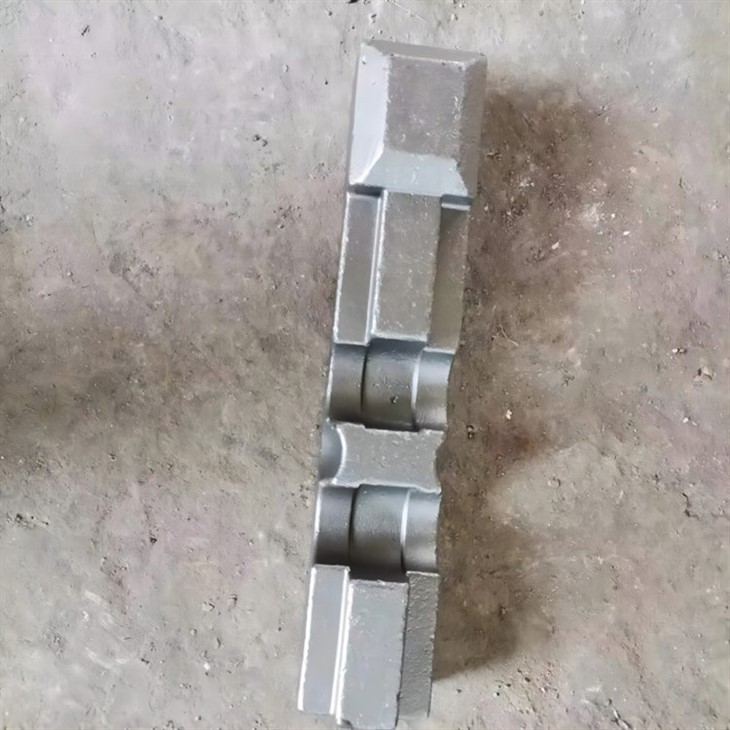
The interaction between different alloying elements also plays a role. For instance, the combination of chromium, nickel, and molybdenum can have a synergistic effect on corrosion resistance. These elements work together to form a more robust and protective oxide layer. But getting the right balance is key. It's like a recipe; you need to add the right amounts of each ingredient to get the best results.
When it comes to our products, we've spent years perfecting the alloying element ratios in our High Chromium Cast Iron. Our Ball Grinding Cast Iron Parts are made with a carefully selected combination of alloying elements to ensure they have excellent corrosion resistance, even in the toughest grinding environments. Similarly, our Grey Cast Iron Parts are designed with alloying elements that enhance their performance and longevity.
If you're in the market for High Chromium Cast Iron products, understanding the effects of alloying elements on corrosion resistance is crucial. You want to make sure that the parts you're buying can withstand the specific corrosion challenges in your application. Whether it's a marine environment, a chemical processing plant, or a high - temperature industrial setting, we've got the right High Chromium Cast Iron solution for you.
We're always here to help you choose the best product for your needs. If you have any questions about the alloying elements in our High Chromium Cast Iron or want to discuss a specific application, don't hesitate to reach out. We can provide you with detailed information and samples so you can see the quality for yourself. Start a conversation with us today and let's find the perfect High Chromium Cast Iron solution for your project.
References
- Davis, J. R. (Ed.). (2004). ASM Specialty Handbook: Cast Irons. ASM International.
- Totten, G. E., & MacKenzie, D. E. (2003). Handbook of Cast Iron. CRC Press.
- Bhadeshia, H. K. D. H., & Honeycombe, R. W. K. (2017). Steels: Microstructure and Properties. Elsevier.