




How to repair High Chromium Cast Iron parts?
 Aug 04, 2025|
 High chromium cast iron is renowned for its exceptional wear resistance, high hardness, and good corrosion resistance, making it a popular choice for various industrial applications. However, like any other material, high chromium cast iron parts can experience wear, damage, or failure over time. As a leading supplier of high chromium cast iron, I understand the importance of effective repair methods to extend the lifespan of these valuable components. In this blog post, I will discuss the key steps and techniques for repairing high chromium cast iron parts.
Understanding High Chromium Cast Iron
Before delving into the repair process, it's essential to have a basic understanding of high chromium cast iron. This material typically contains between 11% and 30% chromium, which forms hard carbides that provide excellent wear resistance. The presence of other alloying elements such as nickel, molybdenum, and manganese further enhances its mechanical properties. High chromium cast iron is commonly used in applications where abrasion, erosion, and impact resistance are critical, such as mining, cement production, and power generation.
Assessing the Damage
The first step in repairing high chromium cast iron parts is to assess the extent and nature of the damage. This involves a thorough visual inspection and, if necessary, non-destructive testing techniques such as ultrasonic testing or magnetic particle inspection. Common types of damage include cracks, wear, corrosion, and impact damage. Understanding the cause of the damage is crucial for determining the most appropriate repair method.
Preparing the Surface
Proper surface preparation is essential for ensuring a successful repair. The damaged area should be cleaned to remove any dirt, grease, oxides, or other contaminants. This can be achieved using solvents, abrasive blasting, or mechanical cleaning methods. Once the surface is clean, it should be roughened to improve the adhesion of the repair material. This can be done using a grinder or a sandblaster.
Selecting the Repair Material
The choice of repair material depends on several factors, including the type and extent of the damage, the operating conditions of the part, and the properties of the original high chromium cast iron. Welding is one of the most common methods for repairing high chromium cast iron parts. When selecting a welding electrode, it's important to choose one that is compatible with the base material and has similar mechanical properties. For example, electrodes with a high chromium and nickel content are often used for welding high chromium cast iron.
Welding Techniques
Welding high chromium cast iron requires careful consideration of the welding parameters and techniques to prevent cracking and ensure a strong bond. Preheating the part before welding is often necessary to reduce the risk of cracking. The preheating temperature depends on the thickness and composition of the part, but it typically ranges from 200°C to 400°C. During welding, it's important to use a low heat input and a slow welding speed to minimize the heat-affected zone. Post-weld heat treatment may also be required to relieve residual stresses and improve the mechanical properties of the weld.
Other Repair Methods
In addition to welding, there are other repair methods that can be used for high chromium cast iron parts. For example, thermal spraying can be used to apply a wear-resistant coating to the damaged area. This method involves heating a coating material to a molten or semi-molten state and spraying it onto the surface of the part. Another option is brazing, which involves joining two metal parts using a filler metal with a lower melting point than the base materials.
Quality Control
After the repair is complete, it's important to perform quality control checks to ensure that the repaired part meets the required specifications. This may include visual inspection, dimensional measurement, and non-destructive testing. The repaired part should also be tested under simulated operating conditions to verify its performance.
Preventive Maintenance
While repairing high chromium cast iron parts is important, preventive maintenance is even more crucial for minimizing downtime and reducing repair costs. This includes regular inspections, proper lubrication, and the use of appropriate operating procedures. By identifying and addressing potential problems early, you can extend the lifespan of your high chromium cast iron parts and improve the overall efficiency of your operations.
Conclusion
Repairing high chromium cast iron parts requires a combination of technical expertise, proper equipment, and the right materials. As a supplier of High Chromium Cast Iron Parts, I am committed to providing our customers with the knowledge and support they need to keep their high chromium cast iron components in optimal condition. Whether you need Ball Grinding Cast Iron Parts or Nickel Hard Cast Iron, we can offer you high-quality products and professional advice on repair and maintenance.

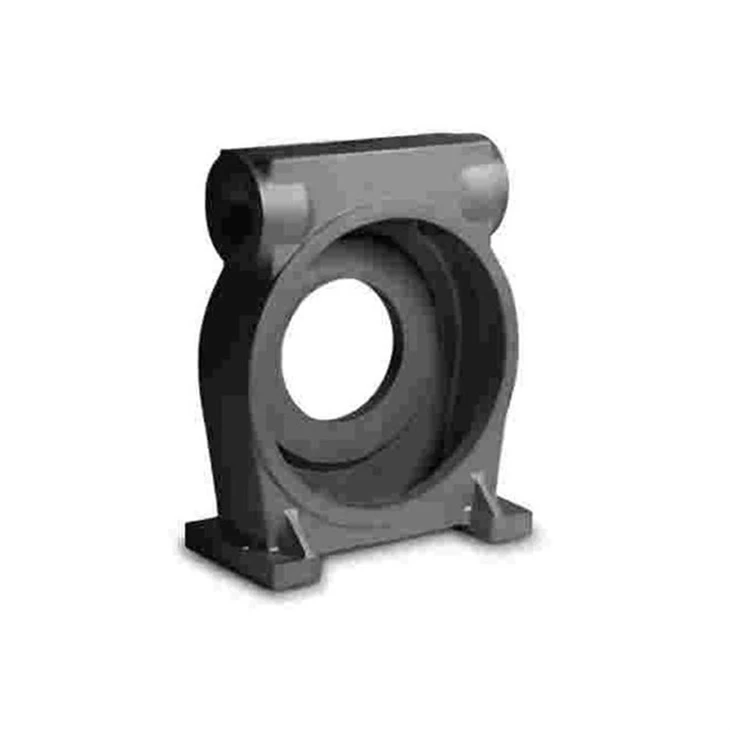
If you have any questions about high chromium cast iron parts or need assistance with a repair project, please feel free to contact us for more information. Our team of experts is always ready to help you find the best solutions for your specific needs.
References
- "High Chromium Cast Irons for Wear Applications" by M. N. James and A. R. Marder
- "Welding of High Chromium Cast Irons" by W. D. Swank and J. C. Lippold
- "Thermal Spraying: Fundamentals and Applications" by C. Coddet