




How to optimize the operation of a reciprocating grate?
 Oct 30, 2025|
 Hey there! As a supplier of Reciprocating Grates, I've seen firsthand the importance of optimizing their operation. In this blog post, I'm gonna share some tips and tricks on how you can get the most out of your reciprocating grate.
Understanding the Basics of a Reciprocating Grate
Before we dive into optimization, let's quickly go over what a reciprocating grate is. A reciprocating grate is a type of grate used in boilers and furnaces to support and move fuel. It consists of a series of grate bars that move back and forth in a reciprocating motion, which helps to distribute the fuel evenly and promote efficient combustion.
The Reciprocating Grate we supply is designed to be durable and reliable, even in high-temperature environments. It's made from high-quality materials that can withstand the rigors of continuous operation, ensuring a long service life.
Factors Affecting the Operation of a Reciprocating Grate
There are several factors that can affect the operation of a reciprocating grate. Let's take a look at some of the most important ones:
Fuel Quality
The quality of the fuel you use can have a significant impact on the performance of your reciprocating grate. Low-quality fuels may contain impurities such as ash, sulfur, and moisture, which can cause problems such as clinkering, corrosion, and reduced combustion efficiency.
To optimize the operation of your reciprocating grate, it's important to use high-quality fuels that are suitable for your specific application. If you're unsure which fuel to use, consult with a fuel supplier or a technical expert.
Grate Design
The design of the reciprocating grate can also affect its performance. Factors such as the size and shape of the grate bars, the spacing between them, and the angle of inclination can all impact the distribution of fuel and the efficiency of combustion.
When selecting a reciprocating grate, it's important to choose one that is designed for your specific application. Consider factors such as the type of fuel you'll be using, the size of your boiler or furnace, and the required combustion efficiency.
Air Supply
Proper air supply is essential for efficient combustion in a reciprocating grate. The amount of air required depends on the type and quantity of fuel being burned, as well as the design of the grate and the boiler or furnace.
To optimize the air supply, it's important to ensure that the air is evenly distributed across the grate. This can be achieved through the use of air distribution systems such as air nozzles or air ducts. Additionally, it's important to monitor the air flow rate and adjust it as needed to maintain the desired combustion conditions.
Maintenance
Regular maintenance is crucial for the optimal operation of a reciprocating grate. Over time, the grate bars may wear out, become clogged with ash or debris, or develop other problems that can affect their performance.
To prevent these issues, it's important to perform regular maintenance tasks such as cleaning the grate bars, inspecting them for wear and damage, and lubricating the moving parts. Additionally, it's important to follow the manufacturer's recommended maintenance schedule and procedures.
Tips for Optimizing the Operation of a Reciprocating Grate
Now that we've covered the factors that affect the operation of a reciprocating grate, let's take a look at some tips for optimizing its performance:
Use High-Quality Grate Bars
The quality of the grate bars is essential for the efficient operation of a reciprocating grate. High-quality grate bars are more durable, resistant to wear and corrosion, and can withstand high temperatures.
We recommend using High Temperature Resistant Grate Bar or High Chrome Cast Steel Grate Bar for your reciprocating grate. These grate bars are made from high-quality materials that are specifically designed to withstand the harsh conditions of a reciprocating grate.
Optimize the Fuel Feed
Proper fuel feed is essential for efficient combustion in a reciprocating grate. The fuel should be fed evenly across the grate to ensure uniform combustion and prevent hot spots.
To optimize the fuel feed, it's important to use a fuel feeder that is designed for your specific application. Additionally, it's important to monitor the fuel feed rate and adjust it as needed to maintain the desired combustion conditions.
Control the Air Supply
As mentioned earlier, proper air supply is essential for efficient combustion in a reciprocating grate. To control the air supply, it's important to use an air distribution system that is designed to evenly distribute the air across the grate.
Additionally, it's important to monitor the air flow rate and adjust it as needed to maintain the desired combustion conditions. This can be achieved through the use of air flow meters and control valves.
Monitor and Adjust the Grate Speed
The speed of the reciprocating grate can also affect its performance. A too-slow grate speed may result in incomplete combustion and increased fuel consumption, while a too-fast grate speed may cause the fuel to be pushed off the grate before it has a chance to burn completely.
To optimize the grate speed, it's important to monitor the combustion process and adjust the grate speed as needed. This can be achieved through the use of a grate speed controller.
Perform Regular Maintenance
Regular maintenance is crucial for the optimal operation of a reciprocating grate. As mentioned earlier, it's important to perform regular maintenance tasks such as cleaning the grate bars, inspecting them for wear and damage, and lubricating the moving parts.
Additionally, it's important to follow the manufacturer's recommended maintenance schedule and procedures. This will help to ensure that your reciprocating grate operates efficiently and reliably for many years to come.
Conclusion
Optimizing the operation of a reciprocating grate is essential for efficient and reliable combustion in boilers and furnaces. By following the tips and tricks outlined in this blog post, you can improve the performance of your reciprocating grate, reduce fuel consumption, and extend its service life.

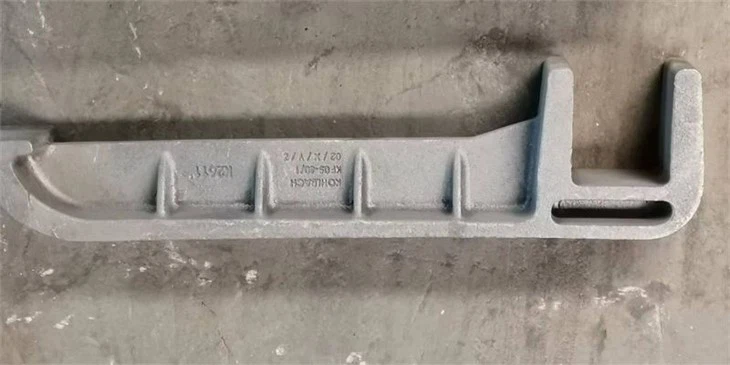
If you're interested in learning more about our Reciprocating Grate or other grate products, please don't hesitate to contact us. We'd be happy to discuss your specific needs and provide you with a customized solution.
References
- Smith, J. (2020). Boiler and Furnace Handbook. New York: Wiley.
- Jones, A. (2019). Combustion Engineering. London: Elsevier.