




Are Grey Cast Iron Parts affected by phosphorus content?
 May 21, 2025|
 Hey there! I'm a supplier of Grey Cast Iron Parts, and today I wanna dig into a super important topic: Are Grey Cast Iron Parts affected by phosphorus content?
First off, let's get a basic understanding of grey cast iron. Grey cast iron is a widely used material in various industries due to its excellent casting properties, good machinability, and relatively low cost. It's got graphite flakes in its microstructure, which give it that characteristic grey color when fractured. But what about phosphorus?
Phosphorus is one of those elements that can sneak into the mix during the casting process. It's not always intentionally added, but it can come from the raw materials or the melting environment. In small amounts, phosphorus can have some positive effects on grey cast iron parts.
One of the benefits of a bit of phosphorus is that it can improve the fluidity of the molten iron. When we're casting these parts, good fluidity is crucial. It allows the iron to fill the mold cavities properly, reducing the chances of defects like incomplete filling or porosity. This means we can produce parts with better dimensional accuracy and fewer flaws. For example, in complex-shaped castings, a little phosphorus can make all the difference in getting a high-quality finished product.
Another advantage is that phosphorus can increase the hardness and wear resistance of grey cast iron. In applications where the parts are subjected to friction and abrasion, like in machinery components or automotive parts, this can be a big plus. A harder surface can withstand more wear and tear, extending the lifespan of the part.
However, it's not all sunshine and rainbows. When the phosphorus content gets too high, things start to go south. High phosphorus levels can lead to some pretty serious problems.
One major issue is embrittlement. As the phosphorus content rises, the cast iron becomes more brittle. This means it's more likely to crack or break under stress. In structural applications, this is a huge no-no. Imagine a cast iron beam in a building or a critical component in a machine. If it's brittle due to high phosphorus, it could fail catastrophically, leading to safety hazards and costly repairs.
High phosphorus can also affect the machinability of grey cast iron. While a little bit can help with casting, too much can make it difficult to machine the parts. The brittle nature of the iron can cause it to chip or break during machining, leading to poor surface finish and dimensional inaccuracies.
So, how do we control the phosphorus content in grey cast iron parts? Well, it all starts with the raw materials. We carefully select the scrap iron and other alloys we use in the melting process. By choosing high-quality materials with low phosphorus levels, we can keep the overall phosphorus content in check.
During the melting process, we also use various techniques to remove or reduce phosphorus. One common method is slagging. By adding certain fluxes to the molten iron, we can form a slag layer on the surface that absorbs the phosphorus. This slag can then be removed, effectively reducing the phosphorus content in the iron.
We also conduct regular quality control checks. We use advanced analytical techniques to measure the phosphorus content in the molten iron and the finished parts. This allows us to make adjustments in real-time and ensure that the parts meet the required specifications.

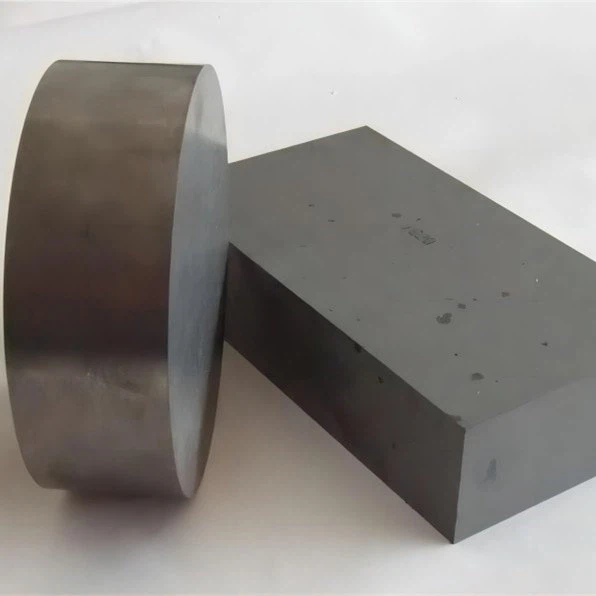
Now, let's talk about some of the other types of cast iron products we offer. We also supply Film Mulching Sand Castings, Nickel Hard Cast Iron, and High Chromium Cast Iron Parts. Each of these products has its own unique properties and applications.
Film mulching sand castings are known for their wear resistance and durability. They're often used in agricultural machinery and other applications where they need to withstand harsh conditions. Nickel hard cast iron, on the other hand, has excellent hardness and toughness, making it suitable for heavy-duty applications like mining equipment. High chromium cast iron parts are highly resistant to corrosion and wear, making them ideal for use in chemical processing plants and other corrosive environments.
In conclusion, the phosphorus content in grey cast iron parts can have both positive and negative effects. It's important to find the right balance to ensure the best performance of the parts. As a supplier, we take great care in controlling the phosphorus content and other elements in our cast iron products. We use the latest technology and quality control measures to produce high-quality parts that meet the needs of our customers.
If you're in the market for grey cast iron parts or any of our other cast iron products, I encourage you to reach out and start a conversation. We're always happy to discuss your specific requirements and provide you with the best solutions. Whether you need a small batch of custom parts or a large-scale production run, we've got the expertise and resources to get the job done right. So, don't hesitate to contact us and let's work together to meet your casting needs!
References
-ASM Handbook, Volume 1: Properties and Selection: Irons, Steels, and High-Performance Alloys
-Cast Iron Technology Handbook by David L. Keough