




What materials are commonly used for precision casting parts?
 Aug 14, 2025|
 Precision casting is a manufacturing process that produces intricate and high - quality parts with tight tolerances. As a supplier of Precision Casting Parts, I have extensive knowledge of the materials commonly used in this process. In this blog, I will delve into these materials, their properties, and their applications.
1. Stainless Steel
Stainless steel is one of the most popular materials for precision casting parts. It is an alloy of iron, chromium, and often other elements such as nickel, molybdenum, and titanium. The addition of chromium gives stainless steel its corrosion - resistant properties, as it forms a thin, protective oxide layer on the surface.
Properties
- Corrosion Resistance: Stainless steel can withstand a wide range of corrosive environments, including those with acids, alkalis, and salts. This makes it suitable for applications in the chemical, food processing, and marine industries.
- Strength and Durability: It has good mechanical properties, with high tensile strength and hardness. This allows precision - cast stainless steel parts to withstand heavy loads and stresses.
- Aesthetic Appeal: Stainless steel has a smooth, shiny surface that is aesthetically pleasing. It is often used in architectural and decorative applications.
Applications
- Medical Devices: Precision - cast stainless steel parts are used in surgical instruments, implants, and diagnostic equipment due to their biocompatibility and corrosion resistance.
- Automotive Components: They are used in engine parts, exhaust systems, and fuel injection components, where corrosion resistance and high strength are required.
2. Carbon Steel
Carbon steel is another commonly used material for precision casting. It is an alloy of iron and carbon, with carbon content typically ranging from 0.05% to 2.1%.
Properties
- High Strength: Carbon steel has high tensile strength and can be heat - treated to achieve different levels of hardness and toughness.
- Weldability: It is relatively easy to weld, which makes it suitable for fabricating complex structures.
- Cost - Effective: Compared to some other alloys, carbon steel is relatively inexpensive, making it a popular choice for large - scale production.
Applications
- Machinery Parts: Precision - cast carbon steel parts are used in gears, shafts, and bearings in industrial machinery.
- Construction: They are used in building structures, such as beams, columns, and connectors, due to their high strength and cost - effectiveness.
3. Aluminum Alloys
Aluminum alloys are lightweight and have excellent corrosion resistance, making them suitable for a wide range of precision casting applications.
Properties
- Low Density: Aluminum alloys are much lighter than steel, which reduces the weight of the final product. This is beneficial in applications where weight is a critical factor, such as aerospace and automotive industries.
- Good Thermal Conductivity: They have high thermal conductivity, which allows for efficient heat transfer. This property is useful in applications such as heat exchangers and electronic components.
- Corrosion Resistance: Aluminum forms a protective oxide layer on its surface, which provides good corrosion resistance in many environments.
Applications
- Aerospace Industry: Precision - cast aluminum alloy parts are used in aircraft engines, airframes, and landing gear due to their lightweight and high - strength - to - weight ratio.
- Consumer Electronics: They are used in smartphone casings, laptop frames, and other electronic components for their aesthetic appeal and heat - dissipating properties.
4. High Manganese Steel Castings
High manganese steel, also known as Hadfield steel, is an alloy with a high manganese content (usually around 12 - 14%).
Properties
- High Impact Resistance: High manganese steel has excellent impact resistance, which makes it suitable for applications where parts are subjected to high - energy impacts.
- Work - Hardening: When the steel is subjected to impact or abrasion, its surface hardens, while the core remains tough. This property provides long - lasting wear resistance.
Applications
- Mining Equipment: Precision - cast high manganese steel parts are used in crushers, grinding mills, and conveyor systems in the mining industry, where they are exposed to high - impact and abrasive conditions.
- Railway Components: They are used in railway switches and crossings, which are subject to heavy traffic and impact loads.
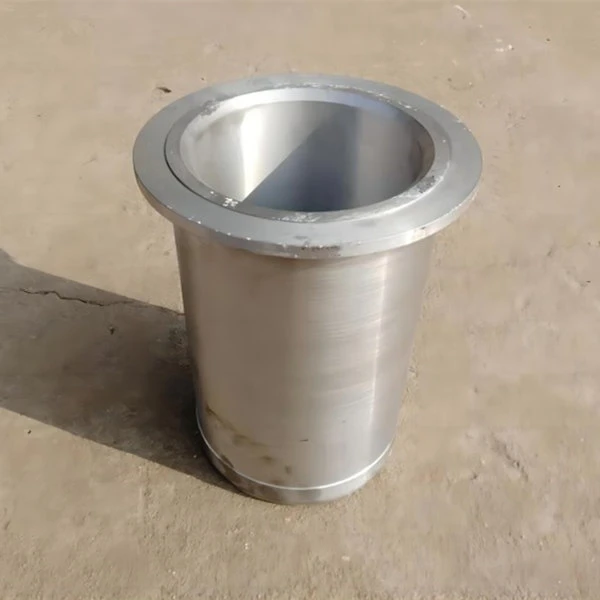
5. High Chromium Cast Iron Parts
High chromium cast iron is an alloy with a high chromium content (usually 12 - 30%) and a significant amount of carbon.

Properties
- High Abrasion Resistance: High chromium cast iron has excellent abrasion resistance due to the formation of hard carbide particles in its microstructure.
- Good Corrosion Resistance: It also has good corrosion resistance in certain environments, especially those with acidic or abrasive media.
Applications
- Wear - Resistant Components: Precision - cast high chromium cast iron parts are used in pumps, valves, and slurry pipelines in the mining, cement, and power generation industries, where they are exposed to abrasive slurries.
- Foundry Tools: They are used in foundry tools such as ladles, molds, and crucibles, which need to withstand high - temperature and abrasive conditions.
Conclusion
As a supplier of precision casting parts, I understand the importance of choosing the right material for each application. Stainless steel, carbon steel, aluminum alloys, high manganese steel, and high chromium cast iron are just some of the commonly used materials in precision casting. Each material has its unique properties and applications, and the choice depends on factors such as the required strength, corrosion resistance, wear resistance, and cost.
If you are in need of high - quality precision casting parts, I encourage you to reach out to discuss your specific requirements. We have the expertise and experience to provide you with the best solutions for your projects.
References
- ASM Handbook Committee. (2008). ASM Handbook, Volume 15: Casting. ASM International.
- Kalpakjian, S., & Schmid, S. R. (2010). Manufacturing Engineering and Technology. Pearson Prentice Hall.
- Davis, J. R. (Ed.). (1994). Stainless Steels. ASM International.