




What is the impact of grate material on heat transfer in a reciprocating grate?
 Dec 29, 2025|
Hey there! As a supplier of reciprocating grates, I've gotten tons of questions about the impact of grate material on heat transfer. It's a super important topic because the right grate material can make a huge difference in how efficiently your system works.
Let's start by understanding what a reciprocating grate is. It's basically a type of grate that moves back and forth, helping to spread and burn fuel evenly. This kind of grate is used in a lot of industrial settings, like boilers and furnaces. The heat transfer in these systems is crucial for their performance. If the heat transfer isn't efficient, you're going to waste a lot of energy, and that's not good for your bottom line or the environment.
So, how does the grate material affect heat transfer? Well, it all boils down to a few key properties of the material: thermal conductivity, heat capacity, and surface area.
Thermal Conductivity
Thermal conductivity is a measure of how well a material can conduct heat. Materials with high thermal conductivity can transfer heat quickly from the burning fuel to the surrounding environment. For example, metals generally have high thermal conductivity, which makes them good candidates for grate materials.
On the other hand, materials with low thermal conductivity act as insulators. They slow down the heat transfer process. This might seem like a bad thing, but in some cases, it can be beneficial. For instance, if you want to maintain a certain temperature within the furnace, a material with lower thermal conductivity can help prevent heat loss.
Let's take a look at some common grate materials and their thermal conductivity:
- Cast Iron: Cast iron is a popular choice for grates because it's relatively inexpensive and has decent thermal conductivity. It can withstand high temperatures and is resistant to wear and tear. However, its thermal conductivity isn't as high as some other metals, so it might not transfer heat as quickly.
- Stainless Steel: Stainless steel has higher thermal conductivity than cast iron. It's also more resistant to corrosion, which makes it a good option for environments where the grate is exposed to moisture or chemicals. However, stainless steel can be more expensive than cast iron.
- High-Alloy Austenitic Heat-Resistant Steel Grate: This type of steel is specifically designed to resist high temperatures. It has excellent thermal conductivity and can withstand extreme heat without deforming. It's a great choice for applications where the grate is exposed to very high temperatures, such as in industrial furnaces.
Heat Capacity
Heat capacity is another important factor. It's the amount of heat energy that a material can absorb or release for a given change in temperature. Materials with high heat capacity can store more heat energy, which means they can help maintain a more stable temperature within the furnace.
For example, a grate made of a material with high heat capacity can absorb heat during the peak burning period and release it slowly when the fuel supply is reduced. This can help prevent temperature fluctuations and improve the overall efficiency of the combustion process.
Surface Area
The surface area of the grate also plays a role in heat transfer. A larger surface area allows for more contact between the grate and the burning fuel, which increases the rate of heat transfer. Manufacturers often design grates with complex shapes or perforations to increase their surface area.
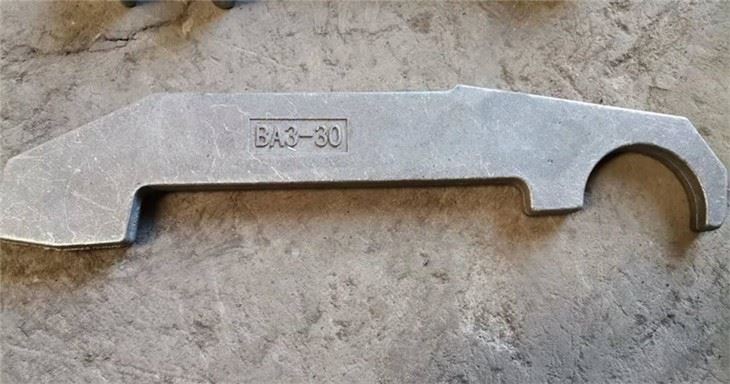

Some grates are made with a pattern of ridges or fins, which not only increase the surface area but also help to distribute the fuel more evenly. This ensures that the heat is transferred more efficiently throughout the furnace.
Impact on Combustion Efficiency
The choice of grate material can have a significant impact on combustion efficiency. A grate that transfers heat efficiently can help the fuel burn more completely, reducing the amount of unburned fuel and pollutants released into the environment.
For example, if the grate material has high thermal conductivity, it can quickly transfer heat to the fuel, promoting faster and more complete combustion. This not only improves the efficiency of the system but also reduces emissions of harmful substances like carbon monoxide and particulate matter.
Comparing Different Grate Materials
Now, let's take a closer look at some specific grate materials and how they stack up against each other in terms of heat transfer and performance.
- High Temperature Resistant Grate Bar: These bars are designed to withstand extremely high temperatures. They're often made of special alloys that have excellent heat-resistant properties. The high-temperature resistance allows them to maintain their structural integrity and thermal conductivity even under intense heat. This is crucial for applications where the grate is exposed to very high temperatures, such as in power plants or large industrial furnaces.
- Sinter Mechanical Alloy Grate Bar: Sinter mechanical alloy grate bars are made using a special manufacturing process that combines different alloys. This results in a material that has high strength, good wear resistance, and excellent thermal conductivity. The combination of these properties makes them ideal for applications where the grate is subjected to high mechanical stress as well as high temperatures.
Why It Matters to You
As a user of reciprocating grates, the choice of grate material can have a big impact on your operation. Using the right material can lead to:
- Improved Efficiency: A grate that transfers heat efficiently can help your system use less fuel to achieve the same amount of heat output. This means lower operating costs and a more sustainable operation.
- Longer Lifespan: Choosing a high-quality grate material that can withstand high temperatures and wear can extend the lifespan of your grate. This reduces the need for frequent replacements and saves you money in the long run.
- Reduced Emissions: Efficient heat transfer promotes more complete combustion, which in turn reduces the emissions of harmful pollutants. This helps you meet environmental regulations and improve your corporate social responsibility.
Contact Us for the Right Grate
If you're in the market for a reciprocating grate and want to know more about how different materials can impact heat transfer, we're here to help. We're a leading supplier of reciprocating grates, and we have a wide range of options to choose from. Whether you need a High-Alloy Austenitic Heat-Resistant Steel Grate, a High Temperature Resistant Grate Bar, or a Sinter Mechanical Alloy Grate Bar, we've got you covered.
Don't hesitate to reach out to us to discuss your specific needs. We can provide you with detailed information about the different grate materials, their performance characteristics, and how they can benefit your operation. Let's work together to find the perfect grate for your system and improve your heat transfer efficiency.
References
- Incropera, F. P., & DeWitt, D. P. (2001). Fundamentals of Heat and Mass Transfer. Wiley.
- Holman, J. P. (2002). Heat Transfer. McGraw-Hill.