




What components are often made of Nickel Hard Cast Iron in the power generation industry?
 Jul 04, 2025|
Hey there! I'm a supplier of Nickel Hard Cast Iron, and today I wanna chat about the components often made of this awesome material in the power generation industry.
First off, let's understand what Nickel Hard Cast Iron is. It's a type of cast iron that has nickel added to it. This addition gives it some really cool properties like high hardness, good wear resistance, and decent corrosion resistance. These properties make it a top - choice for many components in the power generation field.
Turbine Components
One of the major areas where Nickel Hard Cast Iron shines is in turbine manufacturing. Turbines are the heart of power generation, whether it's a steam turbine in a coal - fired or nuclear power plant, or a gas turbine in a natural gas power plant.
Turbine Blades
Turbine blades are constantly exposed to high - speed steam or gas flow. The wear and tear on these blades can be intense. Nickel Hard Cast Iron's high hardness and wear resistance make it a great material for turbine blades. The hardness helps the blades maintain their shape even under high - pressure and high - velocity fluid flow. This ensures that the turbine operates efficiently over a long period. For example, in a large - scale steam turbine, the blades made of Nickel Hard Cast Iron can withstand the abrasive action of steam and any small particles that might be present in it.
Turbine Shrouds
Turbine shrouds are used to contain the steam or gas flow within the turbine. They need to be tough and resistant to erosion. Nickel Hard Cast Iron provides the necessary strength and wear resistance. The shrouds prevent the leakage of the working fluid, which is crucial for the overall efficiency of the turbine. A well - made shroud made of Nickel Hard Cast Iron can last for years, reducing the need for frequent replacements.
Pump Components
Pumps are essential in power generation plants for various tasks such as circulating water, transporting fuel, and handling other fluids.
Pump Impellers
Pump impellers are responsible for moving fluids by imparting kinetic energy to them. In power plants, they often handle abrasive fluids like water with suspended solids or fuel with small particles. Nickel Hard Cast Iron's wear - resistant properties make it an ideal material for pump impellers. The impellers made of this material can resist the abrasion caused by the fluid flow and the particles within it. This results in longer impeller life and better pump performance.
Pump Casings
Pump casings enclose the impellers and direct the fluid flow. They need to be strong and resistant to corrosion. Nickel Hard Cast Iron offers both these properties. It can withstand the pressure and chemical environment inside the pump. For instance, in a water - cooling pump in a power plant, the casing made of Nickel Hard Cast Iron can resist the corrosion caused by the water and any chemicals added to it.
Valve Components
Valves are used to control the flow of fluids and gases in power generation plants.
Valve Bodies
Valve bodies need to be strong enough to withstand high pressures and resist corrosion. Nickel Hard Cast Iron is a great choice for valve bodies. Its strength allows it to handle the pressure differentials across the valve, and its corrosion resistance ensures that it doesn't deteriorate over time. In a natural gas power plant, for example, the valve bodies made of Nickel Hard Cast Iron can handle the high - pressure natural gas flow without any issues.

Valve Seats
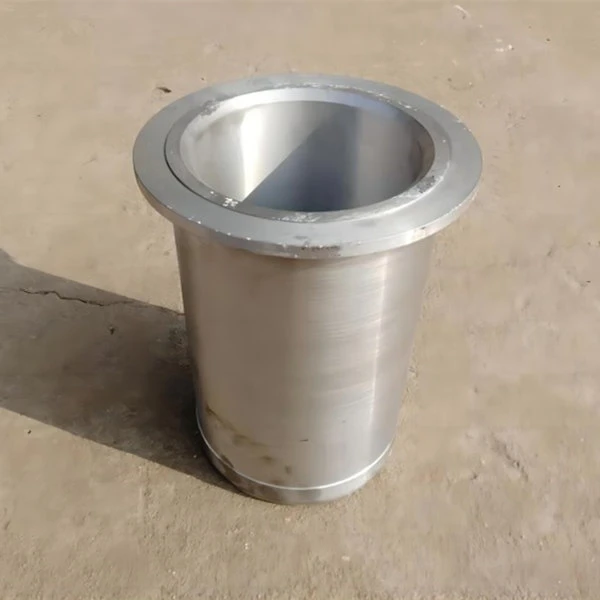
Valve seats are crucial for ensuring a tight seal in the valve. They need to be hard and wear - resistant to maintain the seal over repeated opening and closing cycles. Nickel Hard Cast Iron's properties make it suitable for valve seats. The hard surface of the seat made of this material can resist the wear caused by the contact with the valve disc, ensuring a reliable seal.
Comparison with Other Materials
Now, you might be wondering how Nickel Hard Cast Iron compares with other materials commonly used in the power generation industry. Let's take a look at some alternatives.
High Manganese Steel Castings
High Manganese Steel Castings are known for their excellent impact resistance. However, in terms of wear resistance under abrasive conditions, Nickel Hard Cast Iron often outperforms them. High manganese steel is more suitable for applications where there are high - impact forces, but for components that are mainly exposed to abrasive wear, Nickel Hard Cast Iron is a better choice.
High Chromium Cast Iron Parts
High Chromium Cast Iron Parts also have good wear - resistant properties. But Nickel Hard Cast Iron offers a better combination of hardness, wear resistance, and corrosion resistance in some cases. High chromium cast iron is more brittle compared to Nickel Hard Cast Iron, which can be a drawback in applications where there are some minor impacts or vibrations.
Precision Casting Parts
Precision Casting Parts can be made from various materials. While precision casting can achieve high - quality and complex shapes, the choice of material is still important. Nickel Hard Cast Iron can be precision - cast to make components with the required accuracy. Its properties make it a reliable option for precision - cast parts in the power generation industry.
Why Choose Us as Your Supplier
As a Nickel Hard Cast Iron supplier, we've got a lot to offer. We have a team of experts who understand the unique requirements of the power generation industry. We use the latest manufacturing techniques to ensure the highest quality of our products. Our Nickel Hard Cast Iron components are tested rigorously to meet or exceed industry standards.
We also offer customization options. Whether you need a specific size, shape, or property for your turbine blade, pump impeller, or valve seat, we can work with you to make it happen. We're committed to providing excellent customer service and timely delivery.
If you're in the power generation industry and looking for high - quality Nickel Hard Cast Iron components, don't hesitate to reach out. We're here to help you find the best solutions for your power generation needs. Let's start a conversation about your requirements and see how we can work together to improve the efficiency and reliability of your power generation systems.
References
- "Handbook of Power Generation Technologies"
- "Materials Science for Power Generation Applications"
- Industry reports on power generation component materials