




What causes the damage of a boiler parts grate bar?
 Sep 29, 2025|
 Hey there! As a supplier of Boiler Parts Grate Bars, I've seen my fair share of damaged grate bars over the years. It's a common issue that can cause a lot of headaches for boiler owners, so I thought I'd share some insights on what causes this damage.
First off, let's talk about what a grate bar is. In a boiler, the grate bar is a crucial component. It's basically a bar that supports the fuel in the combustion chamber. The fuel burns on top of the grate bar, and it needs to be able to withstand high temperatures and the mechanical stress of the burning process.
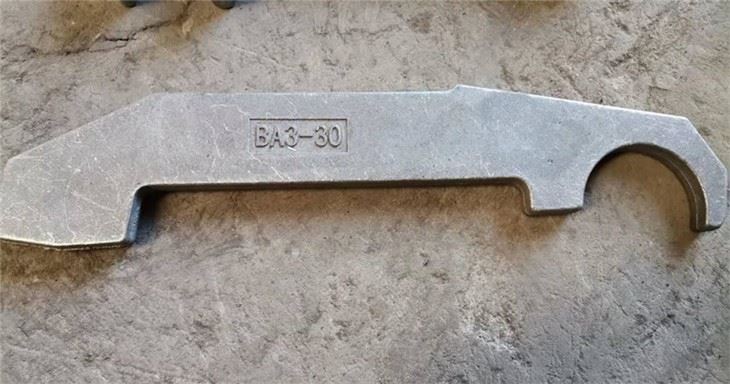

One of the most common causes of damage to grate bars is high - temperature corrosion. When the boiler is operating, the grate bar is exposed to extremely high temperatures. At these high temperatures, the metal in the grate bar can react with the gases produced during combustion, like sulfur dioxide and oxygen. This chemical reaction leads to corrosion. Over time, the corrosion eats away at the metal, weakening the grate bar. Eventually, it can cause cracks or holes in the grate bar, making it ineffective. For example, if you're using a Cast Iron Boiler Fire Grate Bar, which is made of cast iron, it's particularly susceptible to this kind of corrosion. Cast iron has a relatively low resistance to high - temperature oxidation, so it can start to corrode more quickly compared to other materials.
Another major cause is mechanical stress. During the operation of the boiler, the grate bar has to support the weight of the fuel. If the fuel is too heavy or if there's an uneven distribution of the fuel on the grate bar, it can put excessive stress on certain parts of the bar. For instance, if large chunks of coal are piled up on one side of the grate bar, that side will bear more weight. This uneven stress can lead to bending or breaking of the grate bar. Also, when the boiler is being loaded or unloaded with fuel, there can be sudden impacts on the grate bar. These impacts can cause micro - cracks in the metal, which can grow over time and lead to complete failure of the grate bar.
Thermal stress is also a significant factor. When the boiler is started up or shut down, there are rapid changes in temperature. The grate bar expands when it gets hot and contracts when it cools down. These repeated cycles of expansion and contraction create stress within the metal. If the rate of temperature change is too fast, the metal can't adjust properly, and this can lead to thermal fatigue. For example, if a boiler is frequently turned on and off in a short period, the grate bar will experience a lot of thermal stress. Over time, this can cause the metal to become brittle and crack.
Poor quality of the grate bar itself can be a cause of damage. If the manufacturing process is not up to standard, the grate bar may have internal defects. For example, there could be impurities in the metal, or the casting may not be uniform. These defects can make the grate bar weaker and more prone to damage. That's why it's important to choose a reliable supplier for your grate bars. We offer Custom Heat - Resistant Cast Iron Grate Bars/Grates that are made with high - quality materials and strict manufacturing processes to minimize these issues.
Inadequate maintenance is another culprit. If the boiler is not properly maintained, the grate bar can suffer. For example, if the combustion chamber is not cleaned regularly, ash and debris can build up on the grate bar. This buildup can insulate the grate bar, causing it to overheat. Also, if the air supply to the combustion chamber is not regulated correctly, it can lead to incomplete combustion. Incomplete combustion can produce more corrosive gases, which can damage the grate bar.
The type of fuel used in the boiler can also affect the lifespan of the grate bar. Some fuels, like low - grade coal, contain high levels of sulfur and other impurities. When these fuels burn, they produce more corrosive gases compared to cleaner fuels. These gases can accelerate the corrosion of the grate bar. For instance, if you're using a High Temperature Resistant Grate Bar, even though it's designed to withstand high temperatures, the high - sulfur content in the fuel can still cause damage over time.
Now that we've talked about the causes, it's important to know how to prevent this damage. First, choose the right type of grate bar for your boiler. Consider the type of fuel you'll be using, the operating temperature of your boiler, and the load requirements. Regular maintenance is crucial. Clean the combustion chamber regularly to prevent ash buildup. Check the air supply to ensure proper combustion. Also, monitor the temperature changes during startup and shutdown to reduce thermal stress.
If you're experiencing problems with your grate bars or are looking for high - quality grate bars for your boiler, don't hesitate to reach out. We're here to help you find the best solutions for your boiler needs. Whether you need a standard grate bar or a custom - made one, we've got you covered.
References
- "Boiler Handbook" - A comprehensive guide on boiler operation and maintenance.
- "Materials Science for High - Temperature Applications" - Discusses the properties of materials used in high - temperature environments like boilers.