




What are the effects of different abrasive particles on the wear of High Chromium Cast Iron?
 Jan 01, 2026|
As a supplier of High Chromium Cast Iron, I've witnessed firsthand the critical role this material plays in various industries. High Chromium Cast Iron is renowned for its excellent wear resistance, high hardness, and good toughness, making it a popular choice for applications where abrasion and impact resistance are essential. However, the wear performance of High Chromium Cast Iron can be significantly influenced by the type of abrasive particles it encounters. In this blog, I'll explore the effects of different abrasive particles on the wear of High Chromium Cast Iron and discuss how understanding these effects can help you make informed decisions when selecting materials for your applications.
Understanding High Chromium Cast Iron
Before delving into the effects of abrasive particles, it's important to understand the properties of High Chromium Cast Iron. High Chromium Cast Iron is a type of alloy cast iron that contains a high percentage of chromium (typically between 12% and 30%). The addition of chromium forms hard carbides in the matrix, which significantly enhance the wear resistance of the material. High Chromium Cast Iron also has good corrosion resistance and can withstand high temperatures, making it suitable for a wide range of applications, including mining, cement production, power generation, and metalworking.
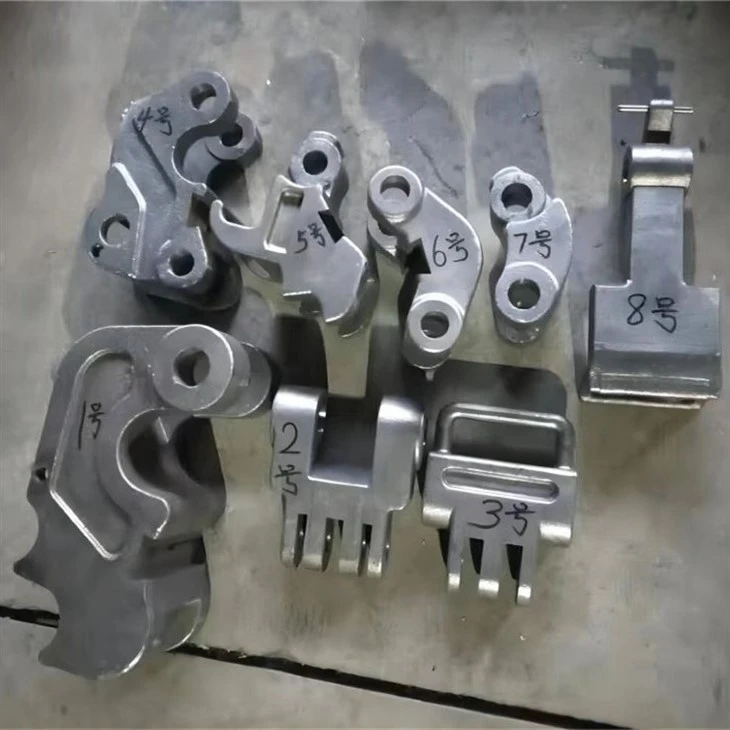
Some common products made from High Chromium Cast Iron include High Chromium Cast Iron Parts, Ball Grinding Cast Iron Parts, and Bimetal Composite Hammer Head. These products are designed to withstand the harsh conditions of abrasive wear and provide long service life in demanding applications.
Effects of Different Abrasive Particles on Wear
The wear of High Chromium Cast Iron is primarily caused by the interaction between the material and abrasive particles. Different types of abrasive particles have different hardness, shape, and size, which can significantly affect the wear mechanism and rate. Here are some common types of abrasive particles and their effects on the wear of High Chromium Cast Iron:
Quartz
Quartz is one of the most common abrasive particles found in nature. It has a hardness of about 7 on the Mohs scale, which is relatively high compared to High Chromium Cast Iron. When High Chromium Cast Iron comes into contact with quartz particles, the hard quartz particles can cause micro-cutting and micro-plowing on the surface of the material, leading to abrasive wear. The wear rate of High Chromium Cast Iron against quartz particles is generally higher than that against softer abrasive particles.
Alumina
Alumina is another common abrasive particle used in industrial applications. It has a hardness of about 9 on the Mohs scale, which is much higher than High Chromium Cast Iron. When High Chromium Cast Iron is exposed to alumina particles, the hard alumina particles can cause severe abrasion and wear on the surface of the material. The wear mechanism of High Chromium Cast Iron against alumina particles is mainly micro-cutting and brittle fracture, which can lead to rapid material loss.
Silicon Carbide
Silicon carbide is a very hard abrasive particle with a hardness of about 9.5 on the Mohs scale. It is commonly used in grinding and cutting applications. When High Chromium Cast Iron is in contact with silicon carbide particles, the extremely hard silicon carbide particles can cause significant wear on the material. The wear mechanism of High Chromium Cast Iron against silicon carbide particles is similar to that against alumina particles, but the wear rate is usually higher due to the higher hardness of silicon carbide.
Iron Oxide
Iron oxide is a relatively soft abrasive particle with a hardness of about 5 on the Mohs scale. When High Chromium Cast Iron is exposed to iron oxide particles, the wear rate is generally lower compared to that against harder abrasive particles. The wear mechanism of High Chromium Cast Iron against iron oxide particles is mainly micro-plowing and oxidation wear, which can cause a gradual loss of material over time.
Factors Affecting the Wear of High Chromium Cast Iron
In addition to the type of abrasive particles, several other factors can affect the wear of High Chromium Cast Iron. These factors include:
Particle Size
The size of the abrasive particles can significantly affect the wear rate of High Chromium Cast Iron. Generally, larger abrasive particles can cause more severe wear than smaller particles because they have a greater contact area and can apply more force on the surface of the material. However, very small abrasive particles can also cause wear by penetrating the surface of the material and causing internal damage.
Particle Shape
The shape of the abrasive particles can also influence the wear mechanism and rate. Sharp-edged particles, such as quartz and silicon carbide, can cause more severe wear than rounded particles because they can easily cut and plow the surface of the material. Rounded particles, on the other hand, tend to cause more uniform wear and are less likely to cause brittle fracture.
Load and Speed
The load and speed at which the High Chromium Cast Iron comes into contact with the abrasive particles can also affect the wear rate. Higher loads and speeds generally result in higher wear rates because they increase the contact pressure and the number of interactions between the material and the abrasive particles.
Temperature
The temperature can also have an impact on the wear of High Chromium Cast Iron. At high temperatures, the hardness and strength of the material may decrease, making it more susceptible to wear. Additionally, high temperatures can cause oxidation and thermal fatigue, which can further accelerate the wear process.
Selecting the Right High Chromium Cast Iron for Your Application
Understanding the effects of different abrasive particles on the wear of High Chromium Cast Iron is crucial for selecting the right material for your application. Here are some tips to help you make an informed decision:
Consider the Type of Abrasive Particles
The first step is to identify the type of abrasive particles your High Chromium Cast Iron components will be exposed to. If you are dealing with hard abrasive particles, such as quartz or alumina, you may need to choose a High Chromium Cast Iron with a higher chromium content and hardness to ensure good wear resistance. On the other hand, if you are dealing with softer abrasive particles, such as iron oxide, a lower chromium content High Chromium Cast Iron may be sufficient.
Evaluate the Operating Conditions
In addition to the type of abrasive particles, you also need to consider the operating conditions, such as load, speed, and temperature. If your application involves high loads, speeds, or temperatures, you may need to choose a High Chromium Cast Iron with better mechanical properties and heat resistance.
Consult with a Material Expert
If you are unsure which High Chromium Cast Iron is the best fit for your application, it's always a good idea to consult with a material expert. A material expert can help you analyze your specific requirements and recommend the most suitable High Chromium Cast Iron grade and product design.

Contact Us for High Chromium Cast Iron Solutions
As a leading supplier of High Chromium Cast Iron, we have extensive experience in providing high-quality wear-resistant products for various industries. Our team of experts can help you select the right High Chromium Cast Iron materials and products for your specific application, taking into account the type of abrasive particles, operating conditions, and other factors.
If you are interested in learning more about our High Chromium Cast Iron products or have any questions about wear resistance and material selection, please feel free to contact us. We look forward to working with you to provide the best solutions for your wear-related challenges.
References
- Smith, J. D., & Jones, R. M. (2015). Wear behavior of high chromium cast iron in different abrasive environments. Wear, 334-335, 1-10.
- Wang, Y., & Li, X. (2018). Effect of abrasive particle size on the wear mechanism of high chromium cast iron. Tribology International, 126, 32-40.
- Zhang, H., & Chen, G. (2020). Influence of temperature on the wear resistance of high chromium cast iron. Journal of Materials Science and Technology, 36(11), 2233-2240.