




Can valve accessories be used in a cryogenic environment?
 Jul 17, 2025|
 As a leading supplier of valve accessories, I often encounter inquiries from customers about the suitability of our products in cryogenic environments. Cryogenic applications, which typically involve temperatures below -150°C (-238°F), pose unique challenges for mechanical components. In this blog post, I will delve into the factors that determine whether valve accessories can be used in such extreme conditions and share insights based on our extensive experience in the industry.
Understanding Cryogenic Environments
Cryogenic environments are found in various industries, including aerospace, food processing, medical, and energy. In these settings, materials and components must withstand extremely low temperatures, which can cause significant changes in their physical properties. For instance, metals can become brittle, and polymers may lose their flexibility. These changes can lead to component failure, leaks, and safety hazards if not properly addressed.
Challenges for Valve Accessories in Cryogenic Conditions
Material Selection
The choice of materials is crucial when designing valve accessories for cryogenic use. Metals such as stainless steel, nickel alloys, and titanium are commonly used due to their good mechanical properties at low temperatures. Stainless steel, in particular, is popular because of its corrosion resistance and relatively low cost. However, not all stainless steels are suitable for cryogenic applications. Austenitic stainless steels, such as 304 and 316, are preferred because they remain ductile at low temperatures, unlike ferritic and martensitic stainless steels, which can become brittle.
Polymers are also used in valve accessories for sealing and insulation purposes. However, most common polymers, such as polyethylene and polypropylene, become brittle at cryogenic temperatures. Specialized polymers, such as PTFE (polytetrafluoroethylene) and perfluoroelastomers, are better suited for cryogenic applications because they retain their flexibility and sealing properties at low temperatures.
Thermal Expansion
Another challenge in cryogenic environments is thermal expansion. As the temperature drops, materials contract, and this can cause stress on the valve accessories. If the components are not designed to accommodate this contraction, they may become misaligned or damaged. To address this issue, valve accessories are often designed with expansion joints or flexible connections that allow for thermal movement.
Sealing Integrity
Maintaining a proper seal is critical in cryogenic applications to prevent leaks. Cryogenic fluids, such as liquid nitrogen and liquid oxygen, are extremely cold and can cause rapid evaporation if they come into contact with warmer surfaces. This can lead to pressure build-up and potential safety hazards. Valve accessories must be designed with high-quality seals that can withstand the low temperatures and prevent leaks.
Our Solutions for Cryogenic Applications
At our company, we have developed a range of valve accessories specifically designed for cryogenic environments. Our products are engineered to meet the stringent requirements of these applications and ensure reliable performance.
Cryogenic-Resistant Materials
We use only the highest quality materials in our valve accessories. Our stainless steel components are made from austenitic grades that are specifically selected for their cryogenic properties. We also offer a variety of specialized polymers for sealing and insulation, including PTFE and perfluoroelastomers. These materials are tested to ensure they meet the required standards for cryogenic use.
Advanced Design
Our valve accessories are designed with advanced features to accommodate thermal expansion and ensure proper sealing. We use expansion joints and flexible connections to allow for thermal movement, and our seals are designed to provide a tight and reliable seal even at low temperatures. Our products are also engineered to minimize heat transfer, which helps to maintain the cryogenic temperature of the fluid.
Quality Assurance
We have a rigorous quality assurance process in place to ensure that our valve accessories meet the highest standards of quality and performance. All our products are tested in our state-of-the-art testing facilities to ensure they can withstand the extreme conditions of cryogenic environments. We also offer a comprehensive warranty on all our products to give our customers peace of mind.

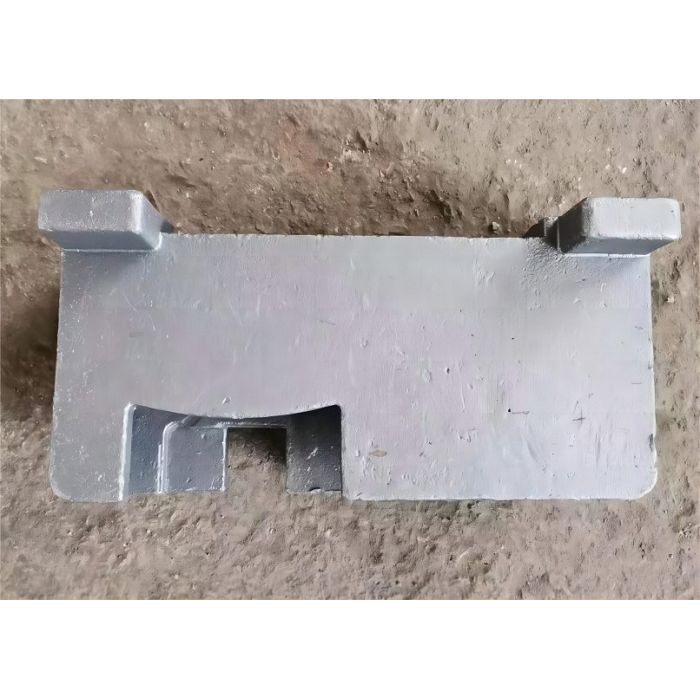
Other Applications of Our Valve Accessories
In addition to cryogenic applications, our valve accessories are also suitable for a wide range of other industries. For example, they can be used in Agricultural Machinery Parts, where they help to control the flow of fluids in irrigation systems, tractors, and other equipment. Our products are also used in Construction Machinery Parts, such as excavators, bulldozers, and cranes, to ensure the efficient operation of hydraulic systems.
Furthermore, our Precision Casting Part 20CrNiMo is a high-strength component that can be used in various applications, including valve accessories. This part is made from a special alloy that offers excellent mechanical properties and is suitable for use in demanding environments.
Conclusion
In conclusion, valve accessories can be used in cryogenic environments, but they must be carefully designed and manufactured to meet the unique challenges of these applications. At our company, we have the expertise and experience to provide high-quality valve accessories that are suitable for cryogenic use. Our products are made from cryogenic-resistant materials, designed with advanced features, and tested to ensure reliable performance. Whether you are in the aerospace, food processing, medical, or energy industry, we can provide you with the valve accessories you need to ensure the safe and efficient operation of your cryogenic systems.
If you are interested in learning more about our valve accessories or have any questions about their suitability for your application, please do not hesitate to contact us. We look forward to discussing your needs and providing you with the best solutions for your valve accessory requirements.
References
- ASME B31.3 Process Piping Code
- ASTM Standards for Cryogenic Materials
- ISO Standards for Valve Design and Testing