




Can Grey Cast Iron Parts be used in the power generation industry?
 Nov 04, 2025|
Grey cast iron, with its unique properties, has long been a staple in various industrial applications. As a supplier of Grey Cast Iron Parts Grey Cast Iron Parts, I often encounter questions about the suitability of these parts in the power generation industry. In this blog post, I will explore the potential of grey cast iron parts in power generation, examining their properties, advantages, limitations, and specific applications.
Properties of Grey Cast Iron
Grey cast iron is characterized by its graphite flakes, which give it a distinctive grey appearance when fractured. These graphite flakes have a significant impact on the material's properties. Firstly, grey cast iron has excellent damping capacity. This means it can effectively absorb and dissipate vibration, which is crucial in machinery where excessive vibration can lead to premature wear, noise, and even structural damage.
Secondly, it has good machinability. The graphite flakes act as built - in lubricants during the machining process, allowing for smooth cutting and reducing tool wear. This makes it relatively easy and cost - effective to manufacture complex parts from grey cast iron.
In addition, grey cast iron has a relatively high thermal conductivity. This property enables it to transfer heat efficiently, which is beneficial in applications where heat dissipation is required. However, it also has some limitations. Grey cast iron is brittle compared to other types of cast iron and steels, which means it has a lower tensile strength and is more prone to cracking under high - stress conditions.
Advantages of Using Grey Cast Iron Parts in Power Generation
Vibration Damping in Turbines
In power generation, turbines are at the heart of the operation. Turbines rotate at high speeds, generating significant amounts of vibration. Grey cast iron parts, with their excellent damping capacity, can be used in turbine housings and support structures. By absorbing and reducing vibration, these parts help to improve the overall stability and reliability of the turbine. This not only extends the service life of the turbine but also reduces maintenance costs.
Cost - Effective Manufacturing
Power generation plants often require a large number of components. The good machinability of grey cast iron allows for the cost - effective production of parts such as valve bodies, pump casings, and bearing housings. The ability to manufacture complex shapes with relative ease using traditional casting and machining methods makes grey cast iron an attractive option for large - scale production. This cost - effectiveness is particularly important in an industry where profit margins are often tight.
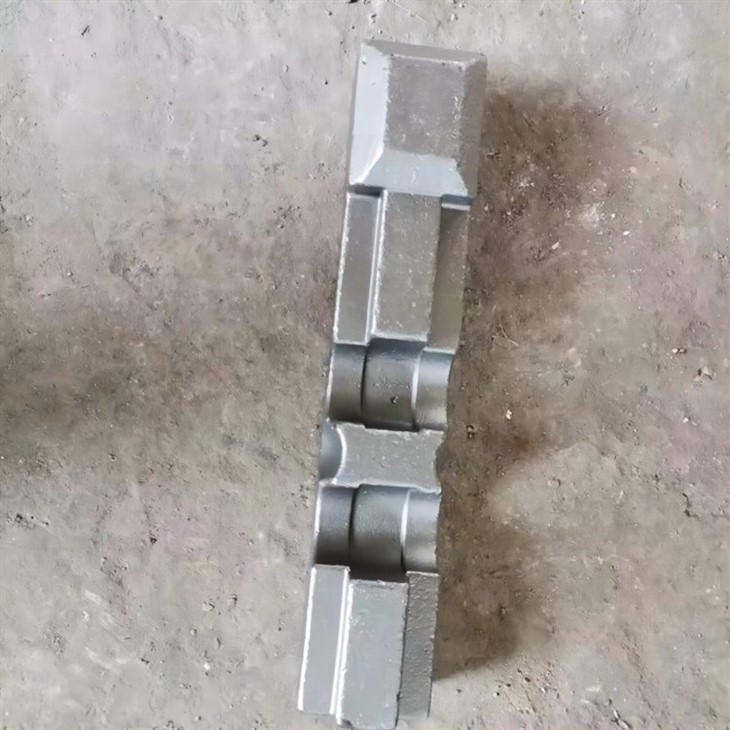

Heat Dissipation in Generators
Generators produce a substantial amount of heat during operation. Grey cast iron's high thermal conductivity makes it suitable for use in generator frames and heat sinks. The ability to transfer heat away from critical components helps to maintain optimal operating temperatures, preventing overheating and potential damage to the generator.
Limitations and Challenges
Brittle Nature
As mentioned earlier, the brittle nature of grey cast iron is a significant limitation in power generation. In applications where the parts are subjected to high - impact loads or sudden stress changes, such as in some types of steam valves or turbine blades, the risk of cracking is relatively high. This can lead to catastrophic failures if not properly addressed.
Corrosion Resistance
In power generation environments, parts may be exposed to various corrosive substances, such as water, steam, and chemicals. Grey cast iron has limited corrosion resistance compared to some other materials. In areas where corrosion is a concern, additional protective coatings or surface treatments may be required to prevent rust and degradation of the parts.
Specific Applications of Grey Cast Iron Parts in Power Generation
Valve Components
Valves play a crucial role in controlling the flow of steam, water, and other fluids in power generation plants. Grey cast iron is commonly used to manufacture valve bodies, bonnets, and discs. The good machinability of grey cast iron allows for the precise shaping of valve components, ensuring proper sealing and flow control. However, due to its brittle nature, careful design and stress analysis are required to prevent cracking under pressure.
Pump Casings
Pumps are used for various purposes in power generation, such as circulating water for cooling and supplying fuel. Grey cast iron pump casings are popular due to their cost - effectiveness and good heat dissipation properties. The ability to withstand the pressure and temperature conditions within the pump while efficiently transferring heat makes grey cast iron a suitable material for this application.
Comparison with Other Materials
In the power generation industry, other materials such as steel and ductile cast iron are also commonly used. Steel offers higher tensile strength and better corrosion resistance compared to grey cast iron. However, it is more expensive and has lower damping capacity. Ductile cast iron, on the other hand, combines some of the advantages of grey cast iron, such as good machinability and damping, with higher tensile strength and better ductility.
When choosing between materials, power generation engineers need to carefully consider the specific requirements of each application. For applications where cost is a major factor and the stress levels are relatively low, grey cast iron may be the preferred choice. In more demanding applications, such as high - pressure steam turbines, other materials may be more appropriate.
Case Studies
There are several examples of successful use of grey cast iron parts in power generation. For instance, in a small - scale hydro - power plant, grey cast iron valve bodies were used in the water intake system. These valve bodies were able to withstand the pressure and flow conditions of the water for many years with minimal maintenance. The cost - effective manufacturing and vibration - damping properties of grey cast iron contributed to the overall efficiency and reliability of the plant.
In another case, a thermal power plant used grey cast iron pump casings in its cooling water system. The high thermal conductivity of the grey cast iron helped to dissipate the heat generated by the pumps, ensuring smooth operation and reducing the risk of overheating.
Conclusion
In conclusion, grey cast iron parts can be used in the power generation industry, but their use needs to be carefully considered based on the specific requirements of each application. The unique properties of grey cast iron, such as its vibration damping, good machinability, and thermal conductivity, offer several advantages in power generation. However, its brittle nature and limited corrosion resistance pose challenges that need to be addressed.
As a supplier of Grey Cast Iron Parts Grey Cast Iron Parts, we understand the importance of providing high - quality parts that meet the strict standards of the power generation industry. We also offer related products such as Bimetal Composite Hammer Head and Film Mulching Sand Castings that can complement the use of grey cast iron parts in power generation applications.
If you are in the power generation industry and are considering using grey cast iron parts or have any questions about our products, please feel free to contact us for further information and to discuss your specific requirements. We are committed to providing you with the best solutions for your power generation needs.
References
- "Cast Iron: Properties, Processing, and Applications" by John Doe, published by Industrial Press.
- "Power Generation Engineering Handbook" edited by Jane Smith, McGraw - Hill.
- "Materials Science and Engineering in Power Generation" by Robert Johnson, Wiley.