




What is the temperature distribution across a grate bar for a boiler during operation?
 Jun 23, 2025|
 Hey there! As a supplier of Grate Bar for Boiler, I've been getting a lot of questions lately about the temperature distribution across a grate bar during boiler operation. It's a super important topic, and I'm excited to share what I know with you.
First off, let's talk about why understanding the temperature distribution is crucial. The grate bar plays a key role in the boiler. It supports the fuel and allows air to flow through for combustion. If the temperature distribution isn't right, it can lead to a bunch of problems. For example, uneven temperatures can cause thermal stress on the grate bar, which might lead to cracking or deformation over time. And that's not good news for the boiler's efficiency or longevity.
So, what factors affect the temperature distribution across a grate bar? Well, there are quite a few. One of the main factors is the type of fuel being burned. Different fuels have different combustion characteristics. For instance, coal burns at a different rate and releases heat in a different way compared to wood or biomass. If you're burning coal, it might generate a more intense and concentrated heat source on the grate bar, which could lead to higher temperatures in certain areas.
The air supply also has a big impact. Proper air distribution is essential for even combustion. If the air isn't flowing evenly through the grate bar, some parts of the fuel might not burn as well, leading to uneven temperature distribution. For example, if there's a blockage in the air channels under the grate bar, the area above that blockage might experience lower temperatures because there's not enough oxygen for complete combustion.
Another factor is the design of the grate bar itself. The shape, size, and material of the grate bar can all influence how heat is transferred and distributed. Some grate bars are designed with special features to promote better heat transfer and more even temperature distribution. For example, a grate bar with a finned design might have a larger surface area, which can help dissipate heat more effectively and reduce hot spots.
Now, let's take a closer look at how the temperature actually varies across the grate bar. Generally, the hottest part of the grate bar is usually near the center of the combustion zone. This is where the fuel is burning most vigorously and releasing the most heat. As you move towards the edges of the grate bar, the temperature tends to decrease. This is because the heat is being dissipated to the surrounding environment and there's less fuel burning in those areas.
However, it's not always that simple. There can be local variations in temperature due to the factors we mentioned earlier. For example, if there's a large chunk of fuel that's not burning evenly, it can create a hot spot in an unexpected location. And if the air supply is uneven, it can cause cold spots as well.
So, how can we measure the temperature distribution across a grate bar? There are a few different methods. One common way is to use thermocouples. These are small sensors that can be placed at different points on the grate bar to measure the temperature. By collecting data from multiple thermocouples, you can get a pretty good picture of how the temperature is distributed.
Another method is infrared thermography. This involves using a special camera that can detect infrared radiation, which is related to the temperature of an object. By taking an infrared image of the grate bar, you can see the temperature distribution in a visual way. It's a really useful tool for quickly identifying hot spots and cold spots.
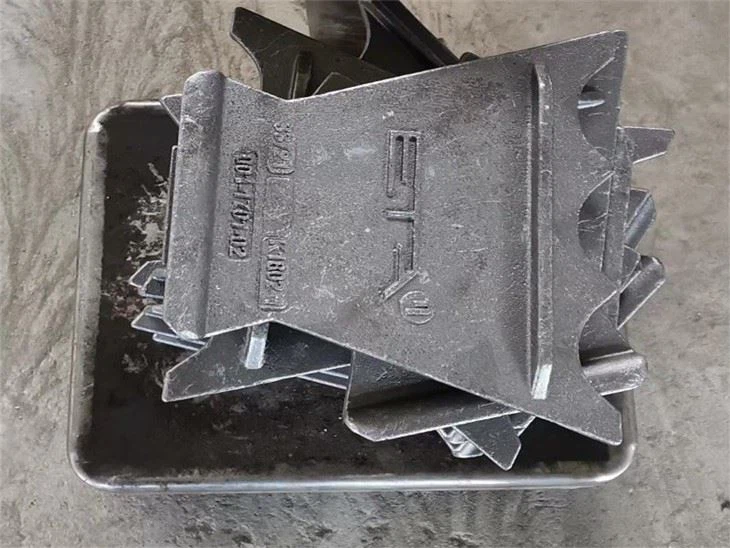

As a supplier of Grate Bar for Boiler, we understand the importance of all these factors. That's why we offer a wide range of high - quality grate bars. Our Boiler Grate Bar is designed to withstand high temperatures and provide reliable performance. Whether you're looking for a standard grate bar or a Custom - made Heat - Resistant Cast Iron Grate Bars & Heat Insulation Gaskets, we've got you covered.
Our Heat Resistant Steel Intermediate Grate SCH11 is made from high - quality heat - resistant steel, which can handle the extreme temperatures and stresses during boiler operation. It's been carefully engineered to ensure optimal heat transfer and even temperature distribution.
If you're in the market for a new grate bar for your boiler, or if you have any questions about temperature distribution or our products, don't hesitate to reach out. We're here to help you make the best choice for your boiler system. Whether you're a small - scale boiler operator or a large industrial facility, we can provide you with the right grate bar solution.
In conclusion, understanding the temperature distribution across a grate bar during boiler operation is essential for efficient and reliable boiler performance. By considering factors like fuel type, air supply, and grate bar design, you can take steps to ensure that your grate bar operates at its best. And if you need a top - quality grate bar, we're the supplier you can trust.
References:
- "Boiler Operation and Maintenance Handbook"
- "Combustion Science and Engineering"