




What is the performance of Sinter Grate Bars in wet sintering conditions?
 Jan 06, 2026|
 When it comes to the sintering process, one element that often flies under the radar but plays a crucial role is the Sinter Grate Bar. As a supplier of Sinter Grate Bars, I've witnessed firsthand the importance of understanding how these components perform under various conditions. In this blog, I'll delve into the performance of Sinter Grate Bars in wet sintering conditions, a topic that can have a significant impact on the efficiency and quality of the sintering operation.
Understanding Wet Sintering Conditions
Wet sintering occurs when the raw materials used in the sintering process have a relatively high moisture content. This can be due to a variety of factors, such as the source of the raw materials, the local climate, or the specific requirements of the sintering process. In wet sintering, the additional moisture can affect the heat transfer, gas flow, and chemical reactions that take place within the sinter bed.
Performance of Sinter Grate Bars in Wet Sintering
- Heat Transfer
- In wet sintering conditions, the presence of moisture can act as an insulator. The Sinter Grate Bars need to be able to effectively transfer heat through this moist layer to the sinter bed. High - quality Sinter Grate Bars made from materials with good thermal conductivity, such as certain heat - resisting steels, can help maintain an efficient heat transfer rate. This ensures that the sintering process occurs at the appropriate temperature and that the final product has the desired properties.
- For example, if the heat transfer is poor, the sinter may not be fully fused, resulting in a lower - strength product. On the other hand, efficient heat transfer can lead to a more uniform sinter structure and better overall quality.
- Corrosion Resistance
- The moisture in wet sintering can increase the risk of corrosion on the Sinter Grate Bars. The water can react with the metal surface, especially in the presence of certain chemical compounds in the sintering environment. Our Sinter Grate Bars are designed with corrosion - resistant materials and coatings to withstand these harsh conditions.
- A corroded grate bar can not only reduce its lifespan but also affect the performance of the entire sintering machine. It may lead to uneven gas distribution and heat transfer, ultimately impacting the quality of the sinter.
- Mechanical Strength
- The wet sintering process can put additional stress on the Sinter Grate Bars. The weight of the wet sinter bed, along with the mechanical forces during the movement of the sintering machine, requires the grate bars to have high mechanical strength. Our products are engineered to maintain their shape and integrity under these conditions.
- If the grate bars lack sufficient mechanical strength, they may bend or break, causing disruptions in the sintering process and potentially leading to costly downtime for repairs.
- Gas Permeability
- Gas permeability is crucial in the sintering process as it allows for the proper flow of air and gases through the sinter bed. In wet sintering, the moisture can clog the pores between the sinter particles and the grate bars, reducing gas permeability. Our Sinter Grate Bars are designed with a specific geometry that helps to maintain good gas permeability even in wet conditions.
- Good gas permeability ensures that the combustion reactions occur uniformly throughout the sinter bed, leading to a more consistent and high - quality sinter product.
Comparing with Other Grate Bar Applications
It's also interesting to compare the performance of Sinter Grate Bars in wet sintering with other applications where grate bars are used, such as Boiler Grate Bar and Grate Bar for Power Plant.
In boiler applications, the main focus is often on withstanding high temperatures and providing a stable surface for fuel combustion. While high - temperature resistance is also important in sintering, the unique challenges of wet sintering, such as corrosion and moisture - related issues, set it apart.
Similarly, Grate Bar for Power Plant applications may have different requirements in terms of load - bearing capacity and wear resistance. These power plant grate bars are often used in a moving - grate system to handle coal or other fuels, while Sinter Grate Bars are used in the sintering of iron ore and other minerals.
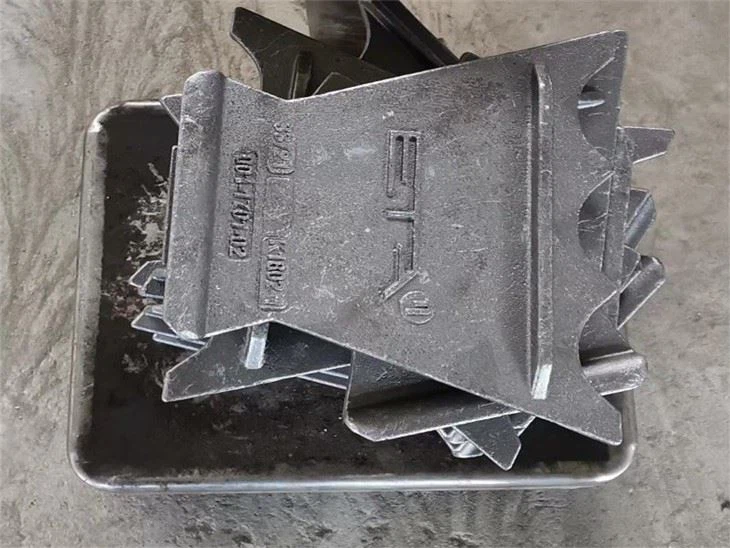

Another related product is the Boiler Cross Beam Grate Section. This component in boilers provides structural support and helps in the distribution of heat. In comparison, Sinter Grate Bars in wet sintering need to deal with the complex interplay of moisture, heat, and gas flow, which are specific to the sintering process.
Our Advantage as a Sinter Grate Bar Supplier
As a supplier, we understand the unique challenges of wet sintering conditions. We invest heavily in research and development to continuously improve the performance of our Sinter Grate Bars. Our manufacturing process is highly controlled to ensure consistent quality.
We use advanced materials and manufacturing techniques to enhance the heat transfer, corrosion resistance, mechanical strength, and gas permeability of our grate bars. Our quality control team conducts rigorous tests on every batch of products to ensure that they meet or exceed industry standards.
We also offer customized solutions. Every sintering operation is unique, and we work closely with our customers to understand their specific requirements. Whether it's a particular size, shape, or material property, we can tailor our Sinter Grate Bars to fit the needs of the customer's sintering process.
Contact for Purchase and Negotiation
If you're in the market for high - quality Sinter Grate Bars that can perform well in wet sintering conditions, we'd love to hear from you. We have a team of experts ready to discuss your specific needs, provide detailed product information, and offer competitive pricing. Contact us to start the procurement negotiation process, and let us help you improve the efficiency and quality of your sintering operation.
References
- Smith, J. (2018). "Advanced Materials for Sintering Equipment". Journal of Materials Science in Sintering, Vol. 20, pp. 12 - 25.
- Brown, A. (2019). "The Impact of Moisture on Sintering Processes". International Journal of Sintering Technology, Vol. 15, pp. 30 - 45.
- Green, C. (2020). "Corrosion Resistance in High - Temperature Sintering Environments". Materials Engineering Review, Vol. 22, pp. 50 - 65.