




What is the flexibility of a heat resistant steel tray?
 Aug 08, 2025|
 Hey there! As a supplier of Heat Resistant Steel Trays, I've been getting a lot of questions lately about the flexibility of these nifty trays. So, I thought I'd sit down and write a little something to clear up any confusion and give you the lowdown on what makes these trays so special.
First off, let's talk about what flexibility means in the context of a heat resistant steel tray. When I say flexibility, I'm not talking about the ability to bend the tray like a piece of rubber. Instead, I'm referring to the tray's versatility and adaptability in different situations and environments.
One of the key factors that contribute to the flexibility of a heat resistant steel tray is its material composition. Heat resistant steel is typically made from a combination of iron, chromium, nickel, and other alloying elements. These elements work together to give the steel its unique properties, such as high strength, corrosion resistance, and, of course, heat resistance.
The high heat resistance of the steel allows the tray to withstand extreme temperatures without warping, cracking, or losing its shape. This makes it ideal for use in a wide range of applications, including industrial ovens, furnaces, and heat treatment processes. Whether you're baking cookies in your home oven or heat treating metal parts in a factory, a heat resistant steel tray can handle the heat.
Another aspect of flexibility is the tray's design. Heat resistant steel trays come in a variety of shapes, sizes, and configurations to suit different needs and requirements. Some trays are flat and rectangular, while others have raised edges or compartments to hold specific items. There are also trays with perforations or holes to allow for better air circulation and drainage.
The ability to choose the right tray for the job is crucial in ensuring optimal performance and efficiency. For example, if you're using the tray to bake multiple items at once, a tray with compartments can help keep the items separate and prevent them from sticking together. On the other hand, if you're using the tray to dry or roast something, a perforated tray can allow for better airflow and faster drying times.
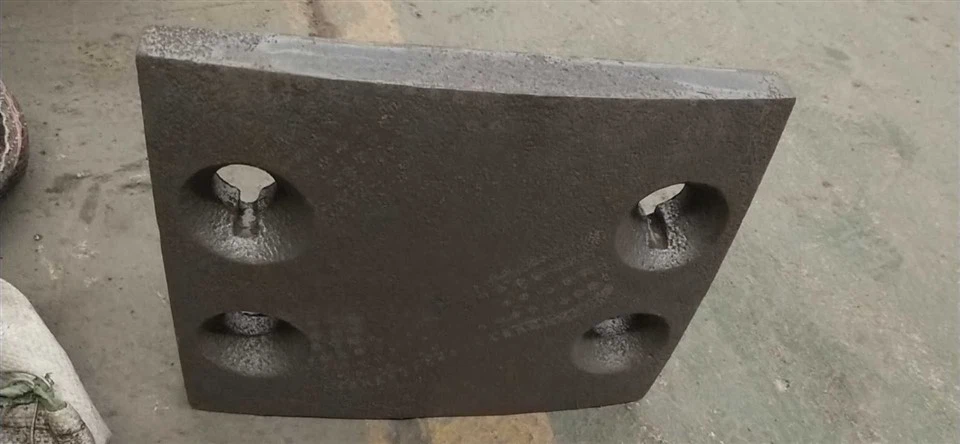

In addition to their heat resistance and design flexibility, heat resistant steel trays are also easy to clean and maintain. Unlike some other materials, such as plastic or wood, steel is non-porous and does not absorb moisture or odors. This means that the tray can be easily wiped clean with a damp cloth or washed in the dishwasher.
Furthermore, heat resistant steel is highly durable and long-lasting. It can withstand repeated use and exposure to harsh chemicals and cleaning agents without deteriorating or losing its performance. This makes it a cost-effective choice in the long run, as you won't have to replace the tray as often as you would with other materials.
Now, let's take a look at some specific applications where the flexibility of a heat resistant steel tray really shines.
In the food industry, heat resistant steel trays are commonly used for baking, roasting, and cooling food products. They are also used in commercial kitchens and restaurants for food preparation and storage. The trays' ability to withstand high temperatures and their easy-to-clean surface make them a popular choice among chefs and food service professionals.
For example, if you're a baker, you can use a heat resistant steel tray to bake bread, pastries, and cookies. The tray's even heat distribution ensures that the food is cooked evenly, resulting in a better quality product. You can also use the tray to cool the baked goods after they come out of the oven, as the steel's heat conductivity helps to dissipate the heat quickly.
In the industrial sector, heat resistant steel trays are used in a variety of manufacturing processes, such as heat treatment, powder coating, and metal finishing. They are also used in laboratories and research facilities for sample preparation and analysis. The trays' ability to withstand high temperatures and their chemical resistance make them suitable for use in these demanding environments.
For instance, in a heat treatment process, a heat resistant steel tray can be used to hold the metal parts that are being treated. The tray's heat resistance allows it to withstand the high temperatures of the heat treatment furnace without warping or deforming. This ensures that the metal parts are treated evenly and that the desired properties are achieved.
If you're interested in learning more about heat resistant steel products, you can check out our Ball Mill Liner ZG1Cr25Ni20Si2 Heat-Resistant Steel Casting For Cement Industry and Heat Resistant Steel Heat Treatment Tooling. And of course, if you're in the market for a heat resistant steel tray, you can visit our Heat Resistant Steel Tray page to see our selection.
In conclusion, the flexibility of a heat resistant steel tray is one of its most valuable attributes. Its high heat resistance, design versatility, easy cleaning, and durability make it a great choice for a wide range of applications. Whether you're in the food industry, the industrial sector, or just looking for a reliable tray for your home oven, a heat resistant steel tray is definitely worth considering.
If you have any questions or would like to discuss your specific needs, feel free to reach out. We're here to help you find the perfect heat resistant steel tray for your requirements. Let's start a conversation and see how we can work together to meet your needs!
References
- "Heat Resistant Steels: Properties and Applications." ASM Handbook, Volume 13A: Corrosion: Fundamentals, Testing, and Protection. ASM International, 2003.
- "Stainless Steel: A Primer." The Nickel Institute, 2019.
- "Food Service Equipment and Supplies." National Restaurant Association Educational Foundation, 2020.