




What are the disadvantages of duplex stainless steel?
 Dec 15, 2025|
 Hey there! As a supplier of duplex stainless steel, I often get asked about the ins and outs of this material. We all know duplex stainless steel has a lot going for it, like high strength and good corrosion resistance. But it's not all sunshine and rainbows. There are some disadvantages you should be aware of before making a decision on whether it's the right fit for your project.
Machinability Issues
One of the first things you'll notice when working with duplex stainless steel is the challenge it poses in terms of machinability. Compared to some other types of stainless steel, it's a lot tougher to cut, drill, and shape. The high strength and hardness that make it so great in many applications also mean that the tools wear out faster. You've got to use the right cutting tools with the correct geometry and coatings. Even then, the cutting speeds and feeds need to be carefully controlled. If you push too hard, you can end up with poor surface finish and dimensional inaccuracies.
I remember a customer who was trying to machine duplex stainless steel parts for a custom equipment project. They underestimated the machining difficulties, and their initial attempts ended up with a bunch of scrapped pieces. It took them longer than expected to get the process right, and that added to their overall project cost. So, if you're planning to do a lot of machining on duplex stainless steel, be prepared for some extra work and potential tooling expenses.
Welding Complexities
Welding duplex stainless steel is another area where things can get tricky. Unlike some other steels, you can't just throw any welding method at it and expect good results. You need to use specific welding processes and filler materials to maintain the proper balance of ferrite and austenite phases in the weld zone. If the balance is off, it can lead to issues like reduced corrosion resistance and lower toughness.
There are also pre - and post - welding procedures that need to be followed. Preheating is often required to prevent cracking, and post - weld heat treatment might be necessary to restore the material's properties. This means more steps in the manufacturing process, which translates to more time and cost. For example, a construction company I worked with was building a marine structure using duplex stainless steel. Their welders had to go through special training to handle the welding properly. Any mistakes in the welding process could have compromised the integrity of the entire structure.
Cost Considerations
Let's talk about money. Duplex stainless steel is generally more expensive than some other common types of steel. The raw materials used in its production, like chromium, nickel, and molybdenum, are costly. The manufacturing process is also more complex, which adds to the price tag. When you're looking at a large - scale project, the cost difference between duplex stainless steel and other options can be significant.
For instance, a client was planning a large storage tank project. Initially, they were considering duplex stainless steel because of its corrosion resistance. But when they compared the cost with carbon steel coated with a corrosion - resistant paint, the price of duplex stainless steel was almost double. In the end, they had to re - evaluate their choice based on the budget. It's not that duplex stainless steel isn't worth the cost in some cases, but you've got to weigh the benefits against the expense.
Limited Availability in Some Forms and Sizes
Another drawback is that duplex stainless steel might not be readily available in all the forms and sizes you need. Sometimes, you might have to wait longer for special - sized sheets or bars to be produced. This can cause delays in your project timeline, especially if you're on a tight schedule.
I've had customers who needed a specific size of duplex stainless steel pipe for a plumbing project. But that particular size wasn't in stock, and the lead time for production was several weeks. This forced them to adjust their installation schedule and find workarounds to keep the project moving. If you're in an industry where time is money, this limited availability can be a real headache.
Susceptibility to Certain Corrosion Conditions
Even though duplex stainless steel is known for its corrosion resistance, it's not completely immune to all types of corrosion. In some specific environments, it can be susceptible to pitting and crevice corrosion. For example, in highly acidic or chloride - rich environments, the protective oxide layer on the surface of the steel can break down.
A chemical processing plant was using duplex stainless steel pipes in a system that handled a chloride - containing solution. Over time, they noticed pitting corrosion in some of the pipes. They had to replace the affected parts, which added to their maintenance costs. So, you need to carefully evaluate the environment in which the duplex stainless steel will be used to ensure it can withstand the conditions.
Heat Treatment and Phase Stability
Duplex stainless steel has a complex microstructure, and its properties are highly dependent on the phase balance between ferrite and austenite. When it comes to heat treatment, getting it right can be a real challenge. If the material is heated or cooled at the wrong rate, it can lead to the formation of unwanted phases.
These secondary phases can reduce the strength, toughness, and corrosion resistance of the steel. For example, sigma phase formation can occur at certain temperatures, and this phase is brittle and can cause cracking. A manufacturer who was heat - treating duplex stainless steel components for a high - stress application found that some of the parts failed prematurely. After analysis, it was discovered that sigma phase formation had weakened the material.
Challenging in Cold Forming
Cold forming duplex stainless steel is also more difficult compared to some other materials. The high strength of duplex stainless steel means that it requires more force to bend, roll, or shape it. This can put a lot of stress on the forming equipment, and there's a higher risk of cracking or other defects.
A metal fabrication shop was trying to cold - form duplex stainless steel sheets into complex shapes for an architectural project. They had to upgrade their forming machinery to handle the material, and even then, they faced some issues with cracking in the formed parts. This not only increased their costs but also led to some rework.
Conclusion
So, as you can see, while duplex stainless steel has many great qualities, there are some significant disadvantages to consider. Machinability, welding, cost, availability, corrosion susceptibility, heat treatment, and cold forming all present challenges. However, in the right applications, the benefits of duplex stainless steel can outweigh these drawbacks.
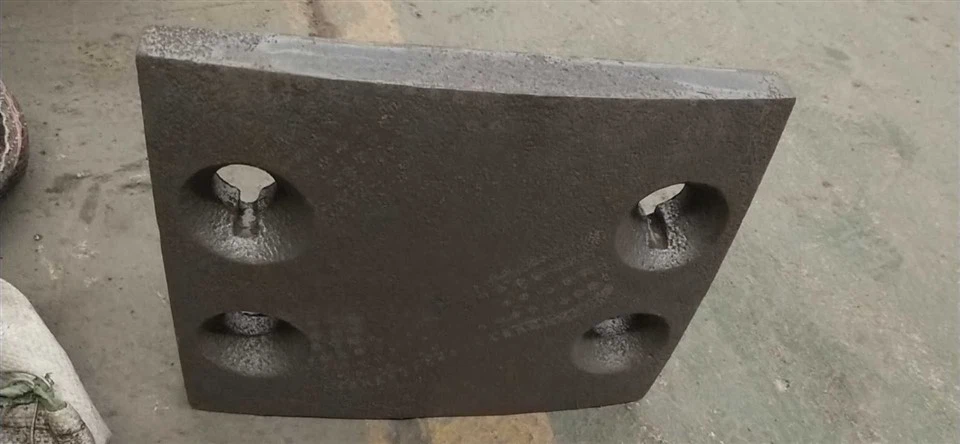
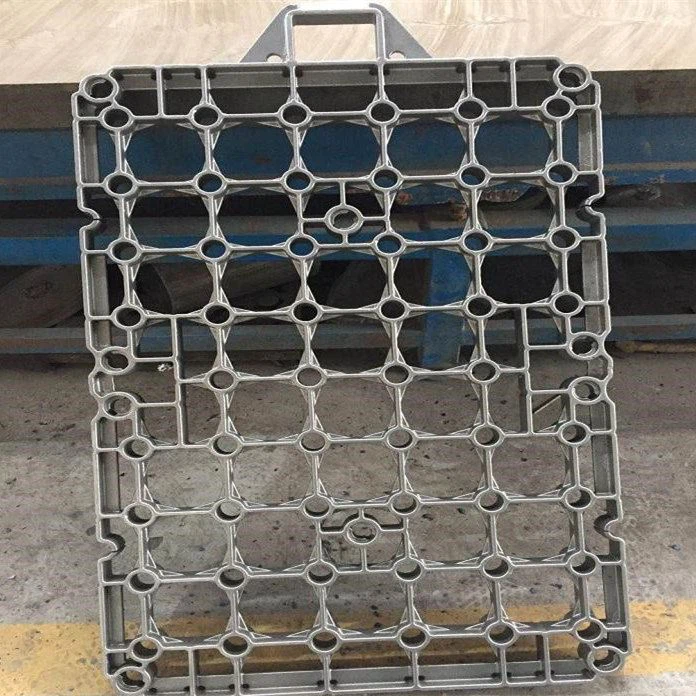
If you're still interested in learning more about duplex stainless steel or are thinking about a project that might use it, I'd be happy to chat. You can also check out some related products on our website, such as Ball Mill Liner ZG1Cr25Ni20Si2 Heat - Resistant Steel Casting For Cement Industry, Heat Resistant Steel Tray, and Large Heat - Resistant Cast Steel Pipe Fittings.
Don't hesitate to reach out to me if you have any questions or want to discuss your specific requirements. We can work together to figure out if duplex stainless steel is the best choice for your project.
References
- ASM Handbook Volume 13A: Corrosion: Fundamentals, Testing, and Protection
- Duplex Stainless Steels: Properties, Processing, and Applications by various industry experts