




How to store a heat resistant steel hood when not in use?
 Jul 15, 2025|
 As a supplier of heat resistant steel hoods, I understand the importance of proper storage when these hoods are not in use. Heat resistant steel hoods are designed to withstand high temperatures, but improper storage can still lead to damage, corrosion, and a reduction in their lifespan. In this blog post, I will share some valuable tips on how to store a heat resistant steel hood effectively to ensure its longevity and performance.
Cleaning Before Storage
Before storing a heat resistant steel hood, it is crucial to clean it thoroughly. Over time, the hood may accumulate grease, dirt, and other contaminants, especially if it has been used in a high - heat environment such as a foundry or a furnace room. Use a mild detergent and warm water to clean the surface of the hood. Avoid using abrasive cleaners or tools that can scratch the steel surface, as scratches can make the hood more susceptible to corrosion.
Rinse the hood with clean water to remove all traces of the detergent. Then, dry it completely using a soft, clean cloth. Make sure there is no moisture left on the surface, as water can cause rusting, even on heat resistant steel. This step is essential as any remaining dirt or moisture can accelerate the degradation of the steel during storage.
Choose the Right Storage Location
The storage location plays a vital role in maintaining the quality of the heat resistant steel hood. Select a dry and well - ventilated area. A damp environment can lead to the formation of rust and corrosion on the steel. If possible, choose a storage space that is climate - controlled, with a stable temperature and low humidity.
Avoid storing the hood in areas prone to flooding, extreme temperature fluctuations, or direct sunlight. Direct sunlight can cause the temperature of the steel to rise significantly, which may have a negative impact on its structural integrity over time. Also, areas with high traffic or where the hood may be accidentally bumped or knocked are not suitable.
Protection from Physical Damage
Physical damage can occur during storage if the heat resistant steel hood is not properly protected. Wrap the hood in a protective material such as a soft, non - abrasive cloth or a plastic sheet. This will prevent scratches, dents, and other types of physical damage.

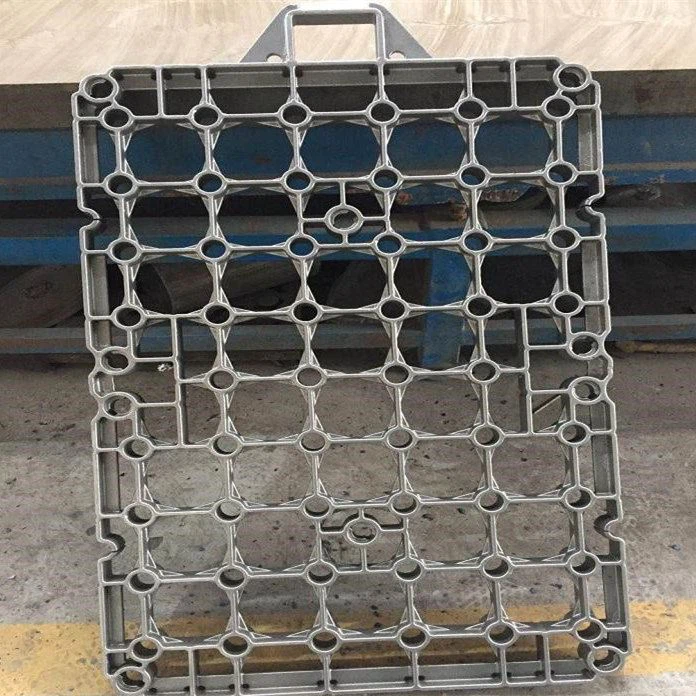
If you have multiple hoods to store, make sure they are not stacked directly on top of each other without proper padding. Use spacers or padding materials between the hoods to avoid any contact that could cause scratching or deformation. Additionally, store the hood in a position where it is less likely to be crushed or bent.
Consider Using a Storage Rack
Using a storage rack can be an excellent way to store the heat resistant steel hood. A well - designed storage rack can keep the hood in an upright or flat position, depending on its shape and size, and prevent it from being damaged.
The rack should be made of a sturdy material that can support the weight of the hood. If the hood is large and heavy, a metal rack may be more suitable. Make sure the rack is properly installed and secured to the floor or wall to prevent it from tipping over.
Apply a Protective Coating
Applying a protective coating to the heat resistant steel hood before storage can provide an extra layer of protection against corrosion. There are various types of protective coatings available in the market, such as anti - rust sprays or wax - based coatings.
Before applying the coating, make sure the hood is clean and dry. Follow the manufacturer's instructions carefully when applying the coating. Apply an even layer of the coating on the entire surface of the hood. This coating will act as a barrier between the steel and the surrounding environment, preventing moisture and oxygen from coming into contact with the steel.
Regular Inspection
Even when the heat resistant steel hood is in storage, it is important to conduct regular inspections. Check the hood for any signs of damage, such as rust, scratches, or deformation. If you notice any issues, take appropriate measures immediately.
For example, if you find a small area of rust, you can use a rust remover to clean it and then re - apply a protective coating. Regular inspections will help you detect problems early and prevent them from getting worse.
Related Products
If you are interested in other heat resistant steel products, we also offer a wide range of related items. For instance, our Heat Resistant Steel Tray is designed for high - temperature applications and can be used in conjunction with the heat resistant steel hood.
We also provide Casting Of Heat - resistant Steel Fittings 1.4825, which are essential for various industrial processes. And our Heat Resistant Steel Heat Treatment Tooling is designed to withstand the rigors of heat treatment operations.
Conclusion
Proper storage of a heat resistant steel hood is essential to ensure its long - term performance and durability. By following the steps mentioned above, including cleaning, choosing the right storage location, protecting it from physical damage, using a storage rack, applying a protective coating, and conducting regular inspections, you can keep your heat resistant steel hood in excellent condition.
If you are in the market for high - quality heat resistant steel hoods or any of our related products, we invite you to contact us for procurement and further discussions. We are committed to providing the best products and services to meet your industrial needs.
References
- "Steel Storage Guidelines" by Industrial Steel Association
- "Heat Resistant Metals and Their Applications" by Metallurgical Research Institute
- "Best Practices for Storing Metal Products" by Metal Storage Solutions Journal