




How to store a grate bar to prevent damage before installation in a power plant?
 Jul 29, 2025|
 As a supplier of Grate Bar for Power Plant, I understand the critical importance of proper storage for grate bars before their installation in a power plant. Grate bars are essential components in power plant boilers, and any damage during storage can lead to significant operational issues and financial losses. In this blog, I will share some scientific and practical methods to store grate bars effectively and prevent damage.
Understanding the Characteristics of Grate Bars
Before discussing storage methods, it's crucial to understand the characteristics of grate bars. Grate bars are typically made of heat - resisting steel, which gives them the ability to withstand high temperatures in power plant boilers. However, they are also subject to corrosion, mechanical damage, and deformation if not stored properly.
The heat - resisting steel used in Boiler Grate Bar has specific chemical compositions and microstructures that can be affected by environmental factors such as humidity, temperature, and exposure to chemicals. For example, high humidity can cause rusting on the surface of the grate bars, which weakens their structural integrity over time.
Choosing the Right Storage Location
The first step in storing grate bars is to select an appropriate storage location. The ideal storage area should be a dry, well - ventilated warehouse. Avoid storing grate bars outdoors, as they will be exposed to rain, snow, and direct sunlight, all of which can cause damage.

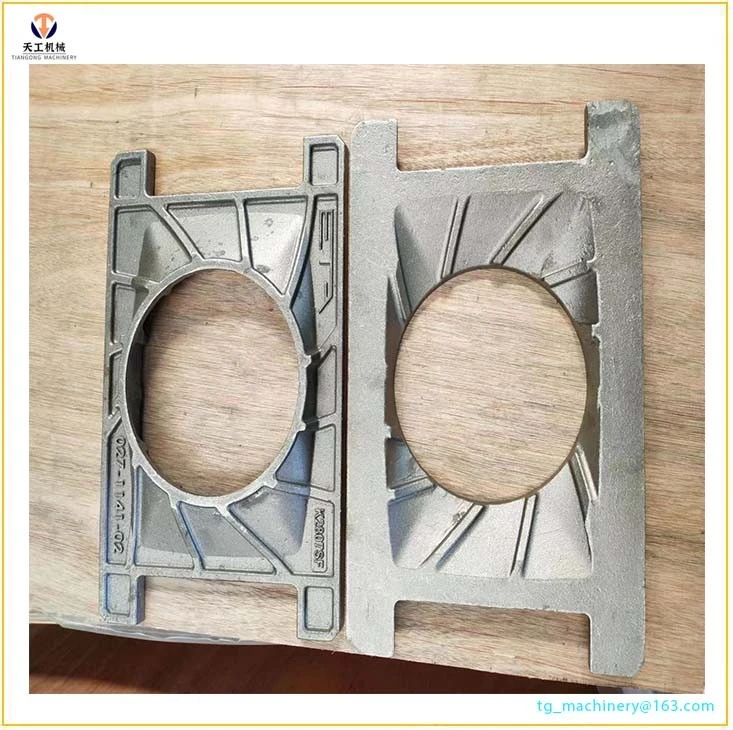
The temperature in the storage area should be relatively stable. Extreme temperature fluctuations can lead to thermal stress in the grate bars, which may cause them to crack or deform. A temperature range between 10°C and 30°C is generally recommended.
Ventilation is also crucial. Good ventilation helps to prevent the accumulation of moisture and harmful gases in the storage area. Install exhaust fans or open windows regularly to ensure proper air circulation.
Pre - storage Inspection
Before storing the grate bars, a thorough inspection should be carried out. Check for any visible defects such as cracks, scratches, or deformation. Any damaged grate bars should be separated from the undamaged ones and either repaired or discarded.
Measure the dimensions of the grate bars to ensure they meet the specified requirements. This is important because any deviation in dimensions can affect the installation process and the performance of the grate bars in the power plant.
Cleaning and Coating
Clean the grate bars before storage to remove any dirt, grease, or debris on their surfaces. Use a mild detergent and a soft brush to clean the bars gently. After cleaning, dry them thoroughly to prevent moisture from remaining on the surface.
Applying a protective coating can significantly reduce the risk of corrosion. There are various types of coatings available, such as anti - rust paints and corrosion - resistant polymers. Choose a coating that is suitable for the type of heat - resisting steel used in the grate bars. Follow the manufacturer's instructions when applying the coating to ensure its effectiveness.
Storage Arrangement
When storing grate bars, proper arrangement is essential to prevent mechanical damage. Stack the grate bars in an orderly manner on pallets or racks. Make sure the pallets or racks are strong enough to support the weight of the grate bars.
Avoid over - stacking the grate bars, as this can cause excessive pressure on the lower bars, leading to deformation. Leave enough space between the stacks to allow for easy access and inspection.
If possible, store the grate bars in a horizontal position. This helps to distribute the weight evenly and reduces the risk of bending or warping. However, if vertical storage is necessary, use appropriate supports to prevent the bars from falling or leaning.
Protection from External Factors
In addition to environmental factors, grate bars may also be damaged by external mechanical impacts. To prevent this, install protective barriers around the storage area. For example, use wooden or plastic barriers to prevent forklifts or other equipment from accidentally hitting the grate bars.
Label the storage area clearly to indicate the type, size, and quantity of the grate bars. This makes it easier to manage the inventory and ensures that the correct grate bars are selected for installation.
Regular Inspection and Maintenance
Regular inspection is necessary during the storage period. Check the grate bars at least once a month for any signs of damage, such as rusting, cracking, or deformation. If any issues are detected, take appropriate measures immediately.
Monitor the environmental conditions in the storage area regularly. Use hygrometers to measure the humidity and thermometers to measure the temperature. Record the data and make adjustments to the storage conditions if necessary.
Documentation
Keep detailed records of the storage process, including the date of storage, inspection results, cleaning and coating procedures, and any maintenance activities. This documentation is valuable for quality control and can also be used as a reference in case of any disputes or problems during the installation process.
Conclusion
Proper storage of grate bars is a critical step in ensuring their quality and performance before installation in a power plant. By choosing the right storage location, conducting pre - storage inspection, cleaning and coating, arranging the storage properly, protecting from external factors, and performing regular inspection and maintenance, we can significantly reduce the risk of damage to the grate bars.
As a supplier of Grate Bar for Power Plant, we are committed to providing high - quality products and professional advice on storage and installation. If you are interested in our High - Cr Sinter Grate Components or have any questions about grate bar storage, please feel free to contact us for further discussion and procurement negotiations. We look forward to working with you to meet your power plant needs.
References
- "Handbook of Heat - Resistant Materials" by John Doe, published by ABC Publishing
- "Power Plant Boiler Components: Design, Installation, and Maintenance" by Jane Smith, published by XYZ Press