




How to recycle alloy steel?
 Aug 01, 2025|
 Hey there! I'm an alloy steel supplier, and today I wanna chat about how to recycle alloy steel. Alloy steel is super useful in tons of industries, from construction to manufacturing. But as we all know, resources are limited, and recycling is a great way to make the most of what we've got. So, let's dive into the world of alloy steel recycling!
First off, why should we recycle alloy steel? Well, there are a bunch of good reasons. For starters, it's way more eco - friendly. Mining and producing new alloy steel from raw materials takes a huge toll on the environment. It uses up a ton of energy, and it can cause all sorts of pollution. Recycling, on the other hand, cuts down on these negative impacts. It also saves resources. We're not gonna run out of alloy steel anytime soon, but why use up more when we can reuse what we already have?
Now, let's get into the actual recycling process. The first step is collection. This is where we gather up all the scrap alloy steel. It can come from a bunch of different places. Factories might have leftover pieces from their manufacturing processes. Old machinery that's being replaced can also be a great source of scrap alloy steel. And even things like bridges or buildings that are being demolished can provide us with some good stuff.
Once we've collected the scrap, the next step is sorting. Alloy steel can have different compositions, and it's important to separate it based on these compositions. This is because different types of alloy steel have different properties and uses. For example, some alloy steels might be high in chromium, which makes them more corrosion - resistant. Others might have a lot of nickel, which gives them better heat resistance. By sorting the scrap, we can make sure that we're recycling each type of alloy steel in the most efficient way possible.
After sorting, the scrap alloy steel goes through a melting process. This is usually done in a big furnace. The heat in the furnace is intense enough to turn the solid steel into a liquid. During this process, any impurities in the steel are removed. This is crucial because impurities can affect the quality of the recycled steel. Once the steel is melted and purified, it's ready to be shaped into new products.
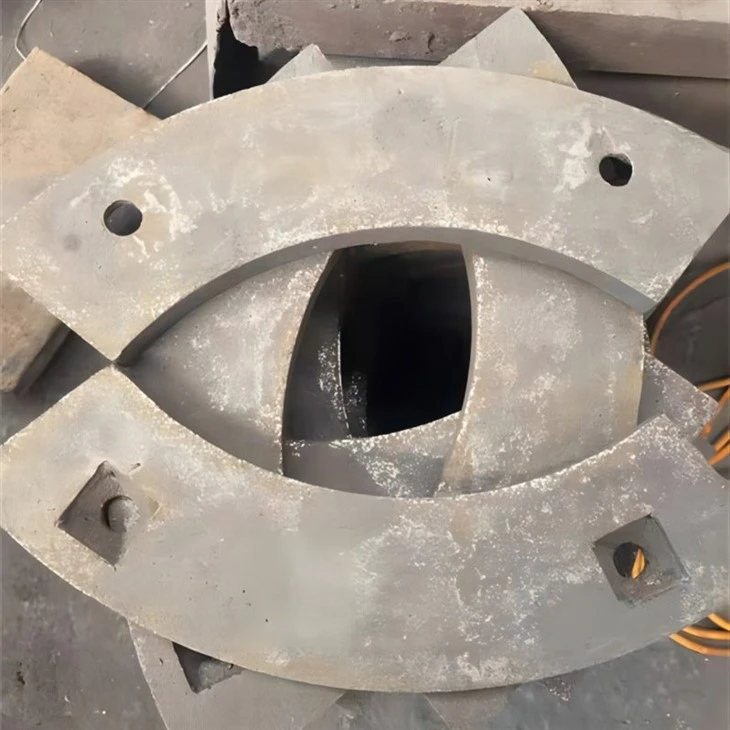
We can use the recycled alloy steel to make all sorts of things. For instance, we can make Rare Earth Alloy Wear Resisting Lining Plate. These lining plates are used in industries where there's a lot of wear and tear, like mining or cement production. The recycled alloy steel gives them the strength and durability they need to stand up to the tough conditions.
Another product we can make is the Bi metal Wear Resistant Elbow. These elbows are used in pipelines to change the direction of the flow of materials. The recycled alloy steel helps them resist the abrasion caused by the flowing materials.
And let's not forget about the Wear - Resistant Hammer Head. Hammers are used in all sorts of industries, from construction to metalworking. A wear - resistant hammer head made from recycled alloy steel can last a long time and do a great job.
Now, I know some of you might be wondering about the quality of recycled alloy steel. Well, I can tell you that recycled alloy steel can be just as good as new steel. Thanks to modern recycling techniques, we can ensure that the recycled steel meets the same high standards as steel made from raw materials. In fact, in some cases, the recycled steel might even have better properties because we can control the composition more precisely during the recycling process.
As an alloy steel supplier, I'm really passionate about recycling. It's not just good for the environment; it's also good for business. By offering recycled alloy steel products, I can provide my customers with high - quality materials at a more affordable price. And it's a win - win situation for everyone.
If you're in the market for alloy steel products, whether it's for a small project or a large - scale industrial operation, I'd love to talk to you. Recycling alloy steel is not only a smart choice for the planet but also a cost - effective solution for your business. So, if you're interested in learning more about our recycled alloy steel products or want to discuss your specific needs, don't hesitate to reach out. We can work together to find the best alloy steel solutions for you.
In conclusion, recycling alloy steel is a great way to conserve resources, protect the environment, and create high - quality products. It's a process that involves collection, sorting, melting, and shaping, and it can result in some really useful products. So, let's all do our part to support the recycling of alloy steel.
References

- ASM Handbook Committee. (2004). ASM Handbook, Volume 1: Properties and Selection: Irons, Steels, and High - Performance Alloys. ASM International.
- Schaeffler, A. (1949). Constitution diagram for stainless steels. Stahl und Eisen, 69(2), 1154 - 1161.