




How to optimize the performance of boiler grate bars?
 Jul 25, 2025|
 As a seasoned supplier of boiler grate bars, I've witnessed firsthand the pivotal role these components play in the efficient operation of boilers. Boiler grate bars are not just simple parts; they are the heart of a boiler system, facilitating the combustion process by providing a stable platform for fuel and ensuring proper air distribution. In this blog, I'll share some valuable insights on how to optimize the performance of boiler grate bars, drawing from my years of experience in the industry.
Understanding the Basics of Boiler Grate Bars
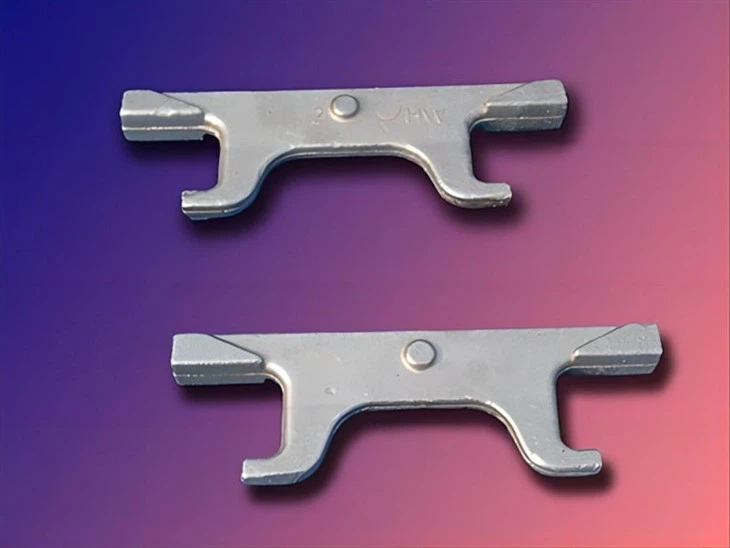
Before delving into optimization strategies, it's essential to understand the fundamentals of boiler grate bars. These bars are typically made from high - quality materials such as heat - resistant cast iron or specialized steel alloys. Their design and material composition are crucial as they must withstand high temperatures, mechanical stress, and chemical corrosion during the combustion process.
There are different types of boiler grate bars, including stationary grates, traveling grates, and vibrating grates, each suitable for different types of boilers and fuels. For instance, traveling grates are often used in large - scale industrial boilers where a continuous supply of fuel is required, while stationary grates may be more appropriate for smaller, intermittent - use boilers.
Selecting the Right Grate Bars
The first step in optimizing the performance of boiler grate bars is selecting the right ones for your specific application. This involves considering several factors:
Fuel Type
Different fuels have different combustion characteristics. For example, coal requires a grate bar that can withstand the high heat and abrasion generated during its combustion. Wood, on the other hand, may need a grate bar with better air circulation to ensure complete combustion. If you're dealing with a power plant, the Grate Bar for Power Plant is designed to meet the high - demand requirements of power generation, offering excellent heat resistance and durability.
Boiler Size and Capacity
The size and capacity of your boiler will determine the size and number of grate bars needed. A larger boiler will require more substantial and more numerous grate bars to support the increased fuel load. It's important to choose grate bars that are properly sized to ensure even fuel distribution and efficient combustion.
Operating Conditions
Consider the operating conditions of your boiler, such as temperature, pressure, and the frequency of use. If your boiler operates at extremely high temperatures, you'll need grate bars made from high - quality heat - resistant materials. For customized solutions that can meet specific operating conditions, the Custom Heat - Resistant Cast Iron Grate Bars/Grates are an excellent option, allowing you to tailor the grate bars to your exact requirements.
Installation and Maintenance
Proper installation and maintenance are key to optimizing the performance of boiler grate bars.
Installation
During installation, ensure that the grate bars are correctly aligned and securely fastened. Any misalignment can lead to uneven fuel distribution, which in turn can cause hot spots and premature wear of the grate bars. Follow the manufacturer's installation instructions carefully, and if necessary, consult with a professional to ensure a proper installation.
Regular Inspections
Regular inspections are essential to detect any signs of wear, damage, or corrosion early on. Inspect the grate bars for cracks, warping, or excessive wear at least once a month, depending on the frequency of boiler use. Look for any signs of uneven burning, which could indicate a problem with the grate bars or the air distribution system.
Cleaning
Keep the grate bars clean to prevent the buildup of ash and debris, which can impede air flow and reduce combustion efficiency. Regularly remove ash from the grate bars using appropriate cleaning tools, and ensure that the air passages are clear.

Lubrication
If your grate bars have moving parts, such as in a traveling or vibrating grate system, proper lubrication is crucial. Use a high - temperature lubricant to reduce friction and wear, and follow the manufacturer's recommendations for lubrication intervals.
Optimizing Air Distribution
Proper air distribution is vital for efficient combustion and the performance of boiler grate bars.
Airflow Adjustment
Adjust the airflow to the grate bars to ensure that the right amount of air is supplied to the fuel. Too little air can result in incomplete combustion, while too much air can cause excessive heat loss. Use airflow control devices, such as dampers, to regulate the air supply and achieve the optimal air - fuel ratio.
Air Distribution Design
The design of the air distribution system can also impact the performance of the grate bars. Ensure that the air is evenly distributed across the grate surface to promote uniform burning. This may involve using perforated plates or other air - distribution devices to direct the air to the areas where it is most needed.
Material Selection and Upgrades
The material of the grate bars can significantly affect their performance and longevity.
High - Quality Materials
Invest in high - quality materials for your grate bars. Heat - resistant steel alloys, for example, offer better durability and resistance to corrosion compared to lower - grade materials. The High - Cr Sinter Grate Components are made from high - chromium materials, providing excellent heat resistance and wear resistance, making them suitable for demanding applications.
Upgrades
If your existing grate bars are showing signs of wear or are not performing optimally, consider upgrading to a more advanced design or material. Newer technologies and materials can offer improved performance, longer service life, and increased efficiency.
Monitoring and Control
Implement a monitoring and control system to continuously assess the performance of the boiler grate bars.
Temperature Monitoring
Monitor the temperature of the grate bars during operation to detect any abnormal temperature fluctuations, which could indicate a problem with the combustion process or the grate bars themselves. Use temperature sensors to collect data and set up alarms to alert you in case of overheating.
Performance Metrics
Track performance metrics such as fuel consumption, steam production, and combustion efficiency to evaluate the effectiveness of the grate bars and the overall boiler system. Analyze the data regularly to identify trends and areas for improvement.
Conclusion
Optimizing the performance of boiler grate bars is a multi - faceted process that involves careful selection, proper installation, regular maintenance, and efficient air distribution. By following these strategies, you can improve the combustion efficiency of your boiler, reduce fuel consumption, and extend the service life of the grate bars.
If you're looking for high - quality boiler grate bars or need advice on optimizing your boiler system, I'm here to help. Whether you need standard grate bars or customized solutions, we have a wide range of products to meet your needs. Contact us today to start a discussion about your requirements and explore how we can assist you in achieving optimal boiler performance.
References
- "Boiler Handbook" by Babcock & Wilcox
- "Combustion Engineering" by Ralph E. Barlow
- Industry research reports on boiler components and performance optimization.