




How to optimize the performance of a boiler parts grate bar?
 Jun 25, 2025|
As a supplier of Boiler Parts Grate Bars, I understand the critical role these components play in the efficient operation of boilers. The grate bar is an essential part of the boiler system, responsible for supporting the fuel and facilitating the combustion process. Optimizing its performance can lead to significant improvements in boiler efficiency, reliability, and overall cost - effectiveness. In this blog, I will share some valuable insights on how to optimize the performance of a boiler parts grate bar.
1. Material Selection
The choice of material for the grate bar is fundamental to its performance. Different materials have varying properties such as heat resistance, corrosion resistance, and mechanical strength. For high - temperature applications, heat - resistant steels are often the preferred choice.
Our Sinter Mechanical Alloy Grate Bar is made from a special sintered mechanical alloy. This material offers excellent heat resistance, which is crucial as the grate bar is exposed to extremely high temperatures during the combustion process. It can withstand thermal stress without deforming easily, ensuring a long service life.
Another option is our Heat Resistant Steel Intermediate Grate SCH11. This heat - resistant steel is specifically designed for intermediate grates. It has good corrosion resistance in addition to high - temperature resistance. Corrosion can significantly reduce the performance of the grate bar over time, so using a corrosion - resistant material can prevent premature failure.
2. Design Optimization
The design of the grate bar also has a significant impact on its performance. A well - designed grate bar should ensure proper air distribution across the fuel bed. This is essential for efficient combustion.
One aspect of design is the shape of the grate bar. Some grate bars have a special profile that allows for better air flow. For example, a stepped or serrated design can create turbulence in the air flow, which helps to mix the air and fuel more effectively. This leads to more complete combustion and reduces the amount of unburned fuel.
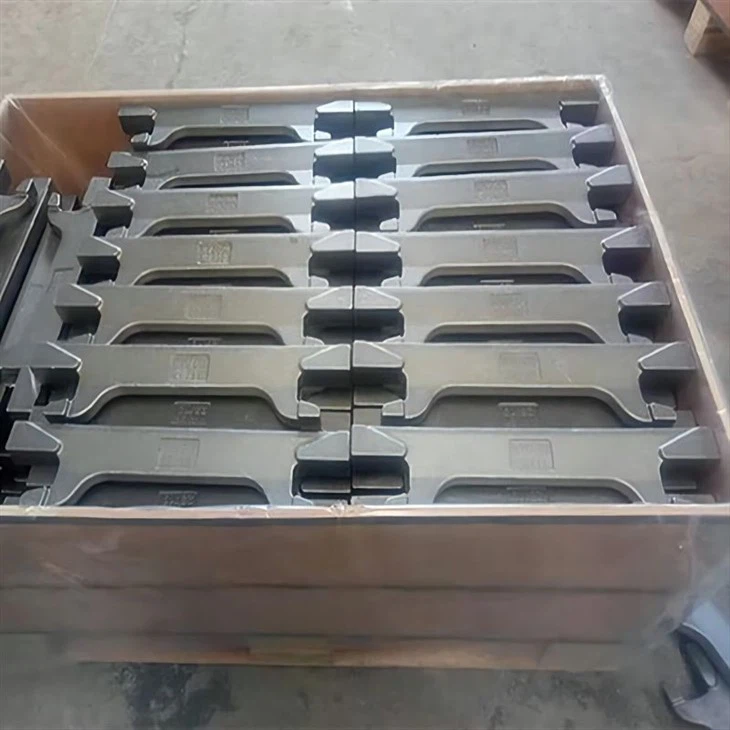
The spacing between the grate bars is another important design factor. If the spacing is too wide, large pieces of fuel may fall through the grate, resulting in fuel waste. On the other hand, if the spacing is too narrow, it can restrict air flow and lead to incomplete combustion. Our Boiler Parts Grate Bar is designed with an optimized spacing that balances these two factors, ensuring efficient fuel combustion.
3. Regular Maintenance
Regular maintenance is crucial for optimizing the performance of the grate bar. Over time, the grate bar can accumulate ash, slag, and other debris. This build - up can block the air passages and reduce the efficiency of the combustion process.
Inspection is the first step in maintenance. Regularly check the grate bar for signs of wear, corrosion, or deformation. If any damaged grate bars are found, they should be replaced immediately to prevent further problems.
Cleaning the grate bar is also essential. This can be done manually or using specialized cleaning equipment. For light build - up, a simple brush or scraper can be used to remove the debris. For more stubborn deposits, high - pressure water jets or chemical cleaners may be required. However, care should be taken when using chemical cleaners to ensure that they do not damage the grate bar material.
4. Proper Installation
Proper installation of the grate bar is a prerequisite for its optimal performance. Incorrect installation can lead to uneven stress distribution, which may cause premature failure of the grate bar.
During installation, make sure that the grate bars are properly aligned. Any misalignment can affect the air flow and the support of the fuel bed. Follow the manufacturer's installation instructions carefully. This includes using the correct fasteners and ensuring that the grate bars are securely fixed in place.
In addition, consider the expansion and contraction of the grate bar due to temperature changes. Provide enough space for the grate bar to expand and contract without causing damage. This can be achieved by leaving appropriate gaps between the grate bars and other components of the boiler.
5. Fuel Quality Control
The quality of the fuel used in the boiler also affects the performance of the grate bar. Different fuels have different combustion characteristics, and using the wrong type of fuel can put additional stress on the grate bar.
For example, fuels with high moisture content can cause problems. Moisture in the fuel requires more energy to evaporate, which can lower the combustion temperature. This may lead to incomplete combustion and the formation of more ash and slag, which can accumulate on the grate bar. Therefore, it is recommended to use dry fuels as much as possible.
Fuels with high ash content can also be a problem. Excessive ash can build up on the grate bar, reducing its performance. It is advisable to choose fuels with low ash content and to remove the ash regularly during the combustion process.
6. Monitoring and Control
Implementing a monitoring and control system can help to optimize the performance of the grate bar. This system can continuously monitor parameters such as temperature, air flow, and pressure in the boiler.
By monitoring the temperature, you can ensure that the grate bar is operating within its safe temperature range. If the temperature is too high, it may indicate a problem with the combustion process or the air flow. Adjustments can be made accordingly to prevent damage to the grate bar.
Monitoring the air flow is also important. Insufficient air flow can lead to incomplete combustion, while excessive air flow can waste energy. Use sensors to measure the air flow and adjust the air intake as needed.
7. Training for Operators
Proper training for boiler operators is essential for optimizing the performance of the grate bar. Operators should be familiar with the operation and maintenance of the boiler system, including the grate bar.

They should know how to start and stop the boiler correctly, how to adjust the air and fuel supply, and how to perform routine maintenance tasks. Training can also help operators to identify early signs of problems with the grate bar, such as unusual noises or changes in performance.
By providing regular training, operators can improve their skills and knowledge, which can ultimately lead to better performance of the boiler and the grate bar.
In conclusion, optimizing the performance of a boiler parts grate bar requires a comprehensive approach that includes material selection, design optimization, regular maintenance, proper installation, fuel quality control, monitoring and control, and operator training. As a supplier of Boiler Parts Grate Bar, we are committed to providing high - quality products and technical support to help our customers achieve the best performance of their boilers.
If you are interested in our grate bars or need more information on optimizing the performance of your boiler parts grate bar, please feel free to contact us for procurement and further discussions. We look forward to working with you to improve the efficiency and reliability of your boiler system.
References
- "Boiler Operation and Maintenance Handbook", John Wiley & Sons
- "Combustion Technology for Industrial Boilers", Elsevier
- Manufacturer's technical documentation for Boiler Parts Grate Bars