




How does the moisture content of biomass affect biomass grates?
 Aug 01, 2025|
 As a seasoned supplier of Biomass Grates, I've witnessed firsthand the intricate relationship between the moisture content of biomass and the performance of biomass grates. In this blog post, I'll delve into the scientific aspects of how moisture content impacts biomass grates, drawing on industry knowledge and practical experience.
Understanding Biomass Moisture Content
Biomass, which includes materials like wood chips, agricultural residues, and dedicated energy crops, naturally contains varying levels of moisture. The moisture content is typically expressed as a percentage of the total weight of the biomass. Freshly harvested biomass can have moisture contents as high as 50 - 60%, while properly dried biomass may have moisture levels as low as 10 - 20%.
The moisture in biomass plays a crucial role in the combustion process. When biomass is burned, the heat from the fire first has to evaporate the moisture before it can start breaking down the organic matter and releasing energy. This means that biomass with high moisture content requires more energy to reach the combustion temperature, resulting in a less efficient burning process.
Impact on Combustion Efficiency
One of the most significant effects of high moisture content in biomass is its impact on combustion efficiency. As mentioned earlier, the energy required to evaporate the moisture reduces the amount of heat available for useful work. This leads to lower combustion temperatures and incomplete combustion, which in turn results in higher emissions of pollutants such as carbon monoxide (CO) and unburned hydrocarbons.
In a biomass grate system, efficient combustion is essential for optimal performance. When the moisture content is too high, the fuel may not burn evenly across the grate, leading to hot spots and uneven heat distribution. This can cause mechanical stress on the grate bars and reduce their lifespan. Additionally, incomplete combustion can result in the formation of ash and slag, which can accumulate on the grate and impede air flow, further reducing combustion efficiency.
Effects on Grate Wear and Tear
The moisture content of biomass can also have a direct impact on the wear and tear of biomass grates. High moisture levels can lead to increased corrosion of the grate bars, especially if the biomass contains acidic components. The water vapor produced during the evaporation process can react with the metal of the grate, forming rust and other corrosive products.
Moreover, the uneven combustion caused by high moisture content can lead to thermal stress on the grate bars. The rapid heating and cooling cycles can cause the metal to expand and contract, leading to cracking and deformation. Over time, this can weaken the grate bars and eventually cause them to fail.
On the other hand, very low moisture content can also pose problems. Extremely dry biomass can burn too quickly, generating high temperatures that can damage the grate bars. The intense heat can cause the metal to soften and lose its structural integrity, leading to warping and breakage.
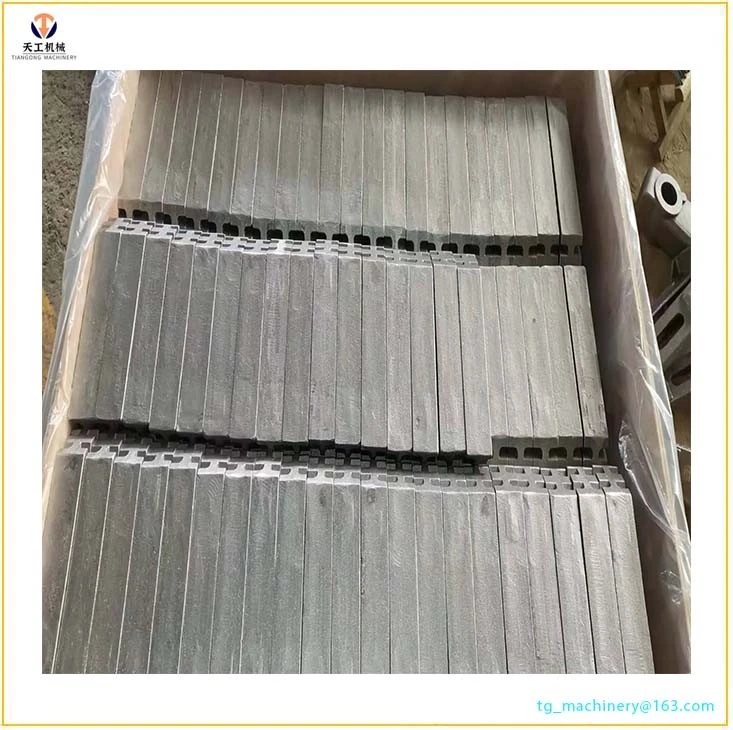

Influence on Ash Handling
Another important aspect affected by biomass moisture content is ash handling. High moisture levels can result in the formation of sticky ash, which can be difficult to remove from the grate. This can lead to blockages in the ash removal system and require more frequent maintenance.
In contrast, dry biomass produces less sticky ash, which is easier to handle and remove. However, very dry biomass can also produce fine ash particles that can be carried by the flue gas and cause problems in the air pollution control equipment.
Optimizing Biomass Grate Performance
To ensure optimal performance of biomass grates, it's essential to control the moisture content of the biomass. This can be achieved through proper storage and drying techniques. Biomass should be stored in a dry, well-ventilated area to allow for natural drying. Additionally, mechanical drying methods such as using a biomass dryer can be employed to reduce the moisture content to the desired level.
It's also important to choose the right type of biomass grates for the specific application. Different grate designs are better suited for different moisture contents and types of biomass. For example, High-Cr Sinter Grate Components are known for their high resistance to corrosion and wear, making them a good choice for biomass with high moisture content. Similarly, Grate Bar for Boiler and Reciprocating Grate Bar For Heat Treatment Furnaces are designed to provide efficient combustion and long service life under different operating conditions.
Conclusion
In conclusion, the moisture content of biomass has a profound impact on the performance and lifespan of biomass grates. By understanding these effects and taking appropriate measures to control the moisture content, biomass users can improve combustion efficiency, reduce emissions, and extend the life of their grate systems.
As a Biomass Grates supplier, we have the expertise and experience to help you choose the right grate products for your specific needs. Whether you're dealing with high-moisture biomass or need a grate system for a particular application, we can provide you with high-quality solutions. If you're interested in learning more about our products or have any questions about biomass grate performance, please don't hesitate to contact us for a procurement discussion.
References
- Smith, J. (2018). Biomass Combustion Technology. Springer.
- Jones, A. (2019). The Impact of Moisture on Biomass Fuel Quality. Biomass and Bioenergy Journal.
- Brown, K. (2020). Optimizing Grate Performance in Biomass Boilers. Energy Engineering Review.