




How does heat treatment affect the performance of heat resisting steel?
 Dec 17, 2025|
 Heat treatment is a crucial process that can significantly impact the performance of heat resisting steel. As a heat resisting steel supplier, I've seen firsthand how different heat treatment methods can transform the properties of this remarkable material. In this blog, I'll break down the ins and outs of how heat treatment affects the performance of heat resisting steel, sharing insights from my experience in the industry.
Understanding Heat Resisting Steel
Before we dive into heat treatment, let's quickly go over what heat resisting steel is. Heat resisting steel is designed to withstand high temperatures without losing its strength, shape, or integrity. It's used in a wide range of applications, from Grate Bars Of Boilers to components in industrial furnaces. This type of steel contains elements like chromium, nickel, and molybdenum, which help it resist oxidation and corrosion at elevated temperatures.
The Basics of Heat Treatment
Heat treatment involves heating and cooling the steel in a controlled manner to alter its microstructure and, in turn, its properties. There are several common heat treatment processes, each with its own unique effects on heat resisting steel.
Annealing
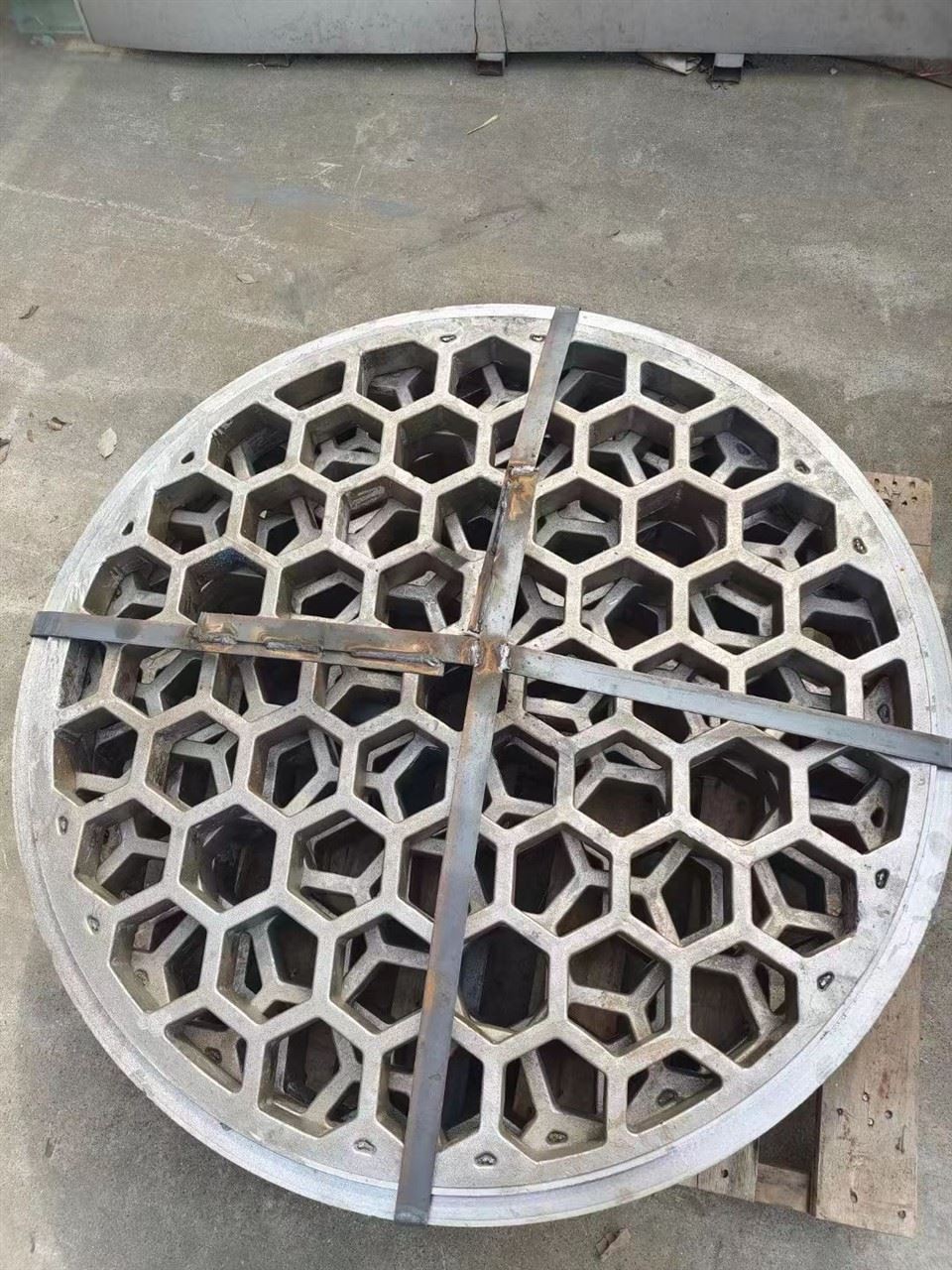
Annealing is a process where the steel is heated to a specific temperature and then slowly cooled. This helps to relieve internal stresses, improve machinability, and increase ductility. When heat resisting steel is annealed, it becomes softer and more formable. This can be beneficial for applications where the steel needs to be shaped or machined before being put into use. For example, if you're manufacturing Resin Sand Molded Heat-Resistant Steel Castings, annealing can make it easier to achieve the desired shape and finish.
Normalizing
Normalizing is similar to annealing, but the steel is cooled in air instead of being slowly cooled in a furnace. This results in a more uniform microstructure and improved mechanical properties. Normalized heat resisting steel has better strength and hardness compared to annealed steel. It's often used in applications where high strength and good toughness are required, such as in the construction of industrial equipment.
Quenching and Tempering
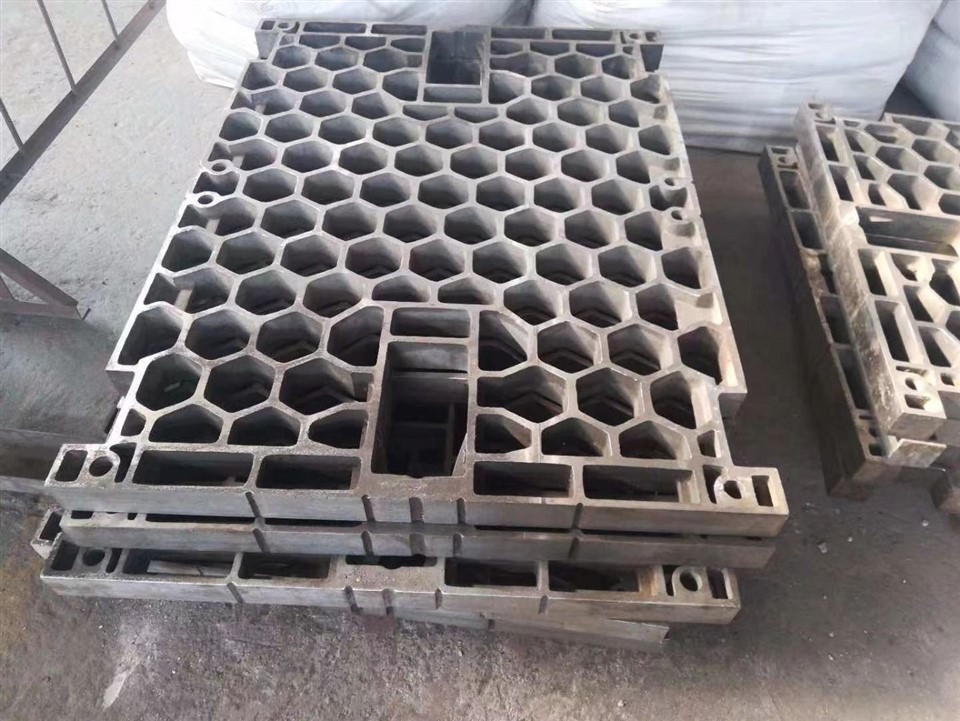
Quenching involves rapidly cooling the steel from a high temperature, usually by immersing it in a liquid like water or oil. This creates a hard and brittle microstructure. To reduce the brittleness and improve the toughness, the quenched steel is then tempered by heating it to a lower temperature and holding it there for a period of time. Quenching and tempering can significantly increase the strength and hardness of heat resisting steel, making it suitable for applications where wear resistance and high strength are critical, like Heat-Resistant High-Chromium Cast Iron Furnace Grate (Customizable).
How Heat Treatment Affects Performance
Now that we've covered the basic heat treatment processes, let's take a closer look at how they affect the performance of heat resisting steel.
Strength and Hardness
As mentioned earlier, quenching and tempering can greatly increase the strength and hardness of heat resisting steel. This is because the rapid cooling during quenching creates a fine-grained microstructure that resists deformation. Tempering then helps to relieve the internal stresses and improve the toughness, so the steel can withstand high loads without breaking. On the other hand, annealing and normalizing generally result in lower strength and hardness but better ductility and machinability.
Oxidation and Corrosion Resistance
Heat treatment can also impact the oxidation and corrosion resistance of heat resisting steel. The microstructure changes that occur during heat treatment can affect the formation of protective oxide layers on the surface of the steel. For example, some heat treatment processes can promote the formation of a dense and adherent oxide layer, which provides better protection against oxidation at high temperatures. This is crucial for applications where the steel is exposed to harsh environments, such as in boilers and furnaces.
Thermal Stability
Thermal stability is another important performance factor for heat resisting steel. Heat treatment can influence the steel's ability to maintain its properties at high temperatures. By optimizing the microstructure through heat treatment, the steel can have better resistance to creep, which is the gradual deformation that occurs under constant load at high temperatures. This ensures that the steel retains its shape and strength over long periods of use in high-temperature applications.
Choosing the Right Heat Treatment
Selecting the appropriate heat treatment for heat resisting steel depends on the specific application requirements. If you need a steel with high strength and wear resistance, quenching and tempering might be the best choice. However, if you require good machinability and formability, annealing or normalizing could be more suitable. It's also important to consider the cost and time involved in each heat treatment process.
As a heat resisting steel supplier, I work closely with my customers to understand their needs and recommend the most appropriate heat treatment for their applications. I have access to advanced heat treatment facilities and a team of experts who can ensure that the steel meets the highest quality standards.
Conclusion
Heat treatment plays a vital role in determining the performance of heat resisting steel. By carefully selecting and controlling the heat treatment process, we can optimize the strength, hardness, oxidation resistance, and thermal stability of the steel to meet the specific requirements of different applications. Whether you're in the market for Grate Bars Of Boilers, Resin Sand Molded Heat-Resistant Steel Castings, or Heat-Resistant High-Chromium Cast Iron Furnace Grate (Customizable), understanding the impact of heat treatment is essential.
If you're interested in purchasing heat resisting steel or have any questions about heat treatment, feel free to reach out. I'm here to help you find the best solution for your needs. Let's start a conversation and explore how we can work together to meet your heat resisting steel requirements.
References
- ASM Handbook, Volume 4: Heat Treating
- Metals Handbook Desk Edition, Third Edition
- "Heat Treatment of Steels" by George E. Totten and L. Dean Quaid