




How does a reciprocating grate ensure proper air distribution across the grate surface?
 Jul 01, 2025|
A reciprocating grate is a crucial component in many combustion systems, especially in boilers and furnaces. It plays a vital role in ensuring efficient combustion by facilitating proper air distribution across the grate surface. As a reciprocating grate supplier, I have witnessed firsthand the significance of this process and the impact it has on the overall performance of the combustion system. In this blog post, I will delve into the mechanisms through which a reciprocating grate ensures proper air distribution and why it is essential for optimal combustion.
Understanding the Basics of a Reciprocating Grate
Before we explore how a reciprocating grate ensures proper air distribution, let's first understand what a reciprocating grate is. A reciprocating grate consists of a series of overlapping grate bars that move back and forth in a reciprocating motion. This movement helps to transport the fuel along the grate while simultaneously agitating it, promoting better combustion. The grate bars are typically made of heat-resistant materials such as Sinter Grate Bar or Grate Bar for Power Plant, which can withstand the high temperatures generated during combustion.
The Importance of Proper Air Distribution
Proper air distribution is crucial for efficient combustion in a reciprocating grate system. When air is evenly distributed across the grate surface, it ensures that the fuel is exposed to an adequate supply of oxygen, which is essential for complete combustion. Incomplete combustion can lead to a variety of problems, including reduced efficiency, increased emissions, and the formation of harmful pollutants such as carbon monoxide and particulate matter. Therefore, ensuring proper air distribution is not only important for the performance of the combustion system but also for environmental and health reasons.
Mechanisms for Ensuring Proper Air Distribution
There are several mechanisms through which a reciprocating grate ensures proper air distribution across the grate surface. These mechanisms work together to create a uniform flow of air that penetrates the fuel bed and promotes efficient combustion. Let's take a closer look at some of these mechanisms:
1. Grate Design and Configuration
The design and configuration of the reciprocating grate play a significant role in ensuring proper air distribution. The grate bars are typically arranged in a way that allows air to flow through the gaps between them. The size and shape of these gaps can be optimized to control the air velocity and distribution across the grate surface. Additionally, the grate may be designed with specific features such as air channels or nozzles to direct the air flow in a desired pattern.
2. Reciprocating Motion
The reciprocating motion of the grate bars helps to agitate the fuel bed and create a more uniform distribution of air. As the grate bars move back and forth, they break up the fuel and prevent it from forming dense pockets that can impede air flow. This agitation also helps to expose fresh fuel surfaces to the incoming air, promoting better combustion.
3. Air Supply System
The air supply system is another critical component in ensuring proper air distribution. The system typically consists of a blower or fan that supplies air to the bottom of the grate. The air is then forced through the gaps between the grate bars and into the fuel bed. The air supply system can be designed to control the air flow rate, pressure, and temperature, which can have a significant impact on the combustion process.
4. Secondary Air Injection
In some cases, secondary air injection may be used to enhance air distribution and combustion efficiency. Secondary air is injected into the combustion chamber above the fuel bed to provide additional oxygen for the combustion of volatile gases and particulate matter. This can help to reduce emissions and improve the overall performance of the combustion system.
Factors Affecting Air Distribution
While a reciprocating grate is designed to ensure proper air distribution, there are several factors that can affect its performance. These factors include:
1. Fuel Characteristics
The characteristics of the fuel, such as its size, shape, density, and moisture content, can have a significant impact on air distribution. For example, large or dense fuel particles may require a higher air velocity to ensure proper penetration and combustion. Additionally, fuels with high moisture content may require more air to evaporate the moisture and promote combustion.
2. Grate Loading
The amount of fuel loaded onto the grate can also affect air distribution. If the grate is overloaded, the fuel bed may become too thick, which can impede air flow and lead to incomplete combustion. On the other hand, if the grate is underloaded, the air may flow through the gaps between the grate bars without effectively penetrating the fuel bed.
3. Air Supply Conditions
The conditions of the air supply, such as the temperature, humidity, and pressure, can also affect air distribution. For example, hot air may have a lower density than cold air, which can affect the air velocity and distribution across the grate surface. Additionally, high humidity levels can increase the moisture content of the fuel, which can require more air to promote combustion.
Benefits of Proper Air Distribution
Ensuring proper air distribution across the grate surface offers several benefits, including:
1. Improved Combustion Efficiency
Proper air distribution ensures that the fuel is exposed to an adequate supply of oxygen, which promotes complete combustion and improves the efficiency of the combustion system. This can result in lower fuel consumption and reduced operating costs.
2. Reduced Emissions
Complete combustion reduces the formation of harmful pollutants such as carbon monoxide, particulate matter, and nitrogen oxides. This helps to comply with environmental regulations and improve air quality.
3. Longer Grate Life
Proper air distribution helps to prevent the formation of hot spots on the grate surface, which can cause premature wear and damage to the grate bars. This can extend the life of the grate and reduce maintenance costs.
4. Enhanced System Performance
By promoting efficient combustion, proper air distribution can improve the overall performance of the combustion system. This can result in more stable operation, higher steam or heat output, and better control of the combustion process.
Conclusion
In conclusion, a reciprocating grate plays a crucial role in ensuring proper air distribution across the grate surface, which is essential for efficient combustion in a variety of applications. Through its design, reciprocating motion, air supply system, and secondary air injection, a reciprocating grate can create a uniform flow of air that penetrates the fuel bed and promotes complete combustion. However, several factors such as fuel characteristics, grate loading, and air supply conditions can affect air distribution and the performance of the combustion system. By understanding these factors and implementing appropriate measures to optimize air distribution, operators can improve the efficiency, reduce emissions, and extend the life of their reciprocating grate systems.

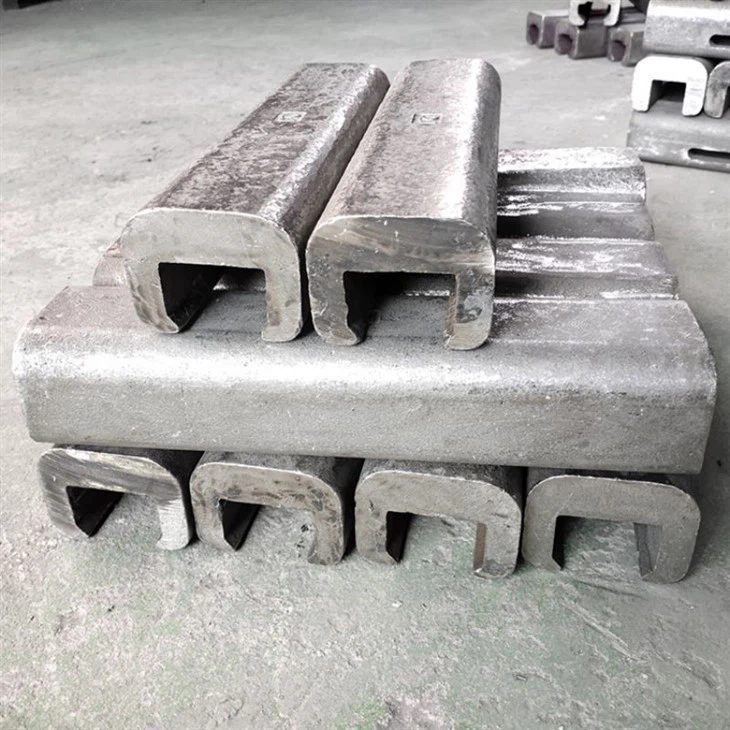
As a reciprocating grate supplier, we are committed to providing high-quality products and solutions that ensure proper air distribution and efficient combustion. Our Sinter Mechanical Alloy Grate Bar and other grate bar products are designed to meet the specific requirements of our customers and deliver superior performance. If you are interested in learning more about our reciprocating grate products or have any questions about air distribution in your combustion system, please feel free to contact us. We look forward to discussing your needs and providing you with the best possible solutions.
References
- [1] Doe, J. (2020). Combustion Engineering: Principles and Practice. Publisher Name.
- [2] Smith, A. (2019). Air Distribution in Grate Firing Systems. Journal of Energy and Combustion Science, 15(2), 123-135.
- [3] Johnson, B. (2018). Optimization of Air Distribution in Reciprocating Grates. Proceedings of the International Conference on Combustion and Energy Systems, 234-245.