




How does a grate bar for a power plant work?
 Jun 03, 2025|
Hey there! As a supplier of Grate Bar for Power Plant, I'm super stoked to dive into how these nifty grate bars work in a power plant.
Let's start with the basics. In a power plant, the grate bar plays a crucial role in the combustion process. Picture this: You've got a big furnace in the power plant, and that's where the magic happens. The grate bar is like the stage where all the action of burning fuel takes place.
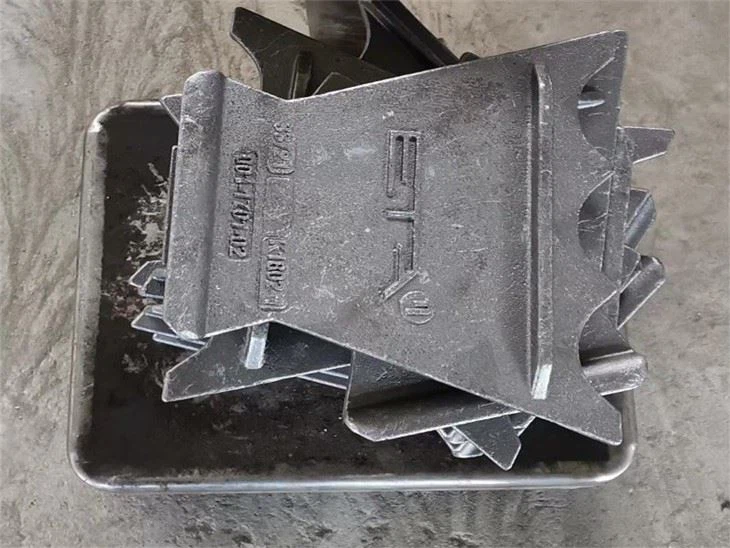
The main job of a grate bar is to support the fuel. Whether it's coal, biomass, or other solid fuels, the grate bar holds them up so they can burn efficiently. It's designed to handle a lot of weight and the intense heat that comes with the combustion process.
Now, how does it actually work? Well, first, the fuel is fed onto the grate bar. This can be done in different ways, depending on the power plant's setup. Some use conveyors to drop the fuel evenly across the grate, while others have more complex systems. Once the fuel is on the grate, air is forced through it from below. This air is super important because it provides the oxygen needed for the fuel to burn.
The grate bar has these little gaps or openings in it. These gaps allow the air to pass through and reach the fuel. As the air flows through, it creates a kind of "fluidized" effect around the fuel. This means that the fuel particles are suspended in the air, which makes them burn more completely. When the fuel burns completely, it releases more energy, and that's what the power plant wants.
The heat generated from the burning fuel is then used to heat water. The water turns into steam, and this steam is what drives the turbines in the power plant. The turbines are connected to generators, and voila! You've got electricity.
But it's not just about getting the fuel to burn. The grate bar also has to deal with the ash that's left over after the fuel burns. Ash can be a real pain because it can clog up the grate and reduce its efficiency. That's why many grate bars are designed with a self-cleaning mechanism. Some grate bars are made to vibrate or move in a way that shakes the ash off and into a collection area.
There are different types of grate bars for power plants. One popular type is the Boiler Grate Bar. These are specifically designed for use in boilers. They need to be able to withstand the high temperatures and pressures inside a boiler. Boiler grate bars are often made from special heat-resistant materials. These materials can handle the heat without warping or breaking down.
Another type is the Sinter Mechanical Alloy Grate Bar. These are made using a special alloy that's really tough and durable. They're great for power plants that burn particularly dirty or abrasive fuels. The alloy can resist wear and tear from the fuel and the ash, which means the grate bar lasts longer.
As a supplier, we've put a lot of time and effort into making our grate bars top-notch. We use the latest manufacturing techniques to ensure that each grate bar is made to the highest standards. Our grate bars are tested in real-world conditions to make sure they can handle the rigors of a power plant environment.
We also offer different sizes and configurations of grate bars. This is because every power plant is different, and they have their own specific needs. Whether you've got a small, local power plant or a huge industrial one, we can provide the right grate bar for you.
If you're in the power plant business and you're looking for a reliable supplier of grate bars, look no further. We're here to help you get the most out of your power plant. Our team of experts is always ready to answer any questions you might have. Whether it's about the installation of the grate bar, its maintenance, or anything else, we've got you covered.

Contact us today to start a conversation about your grate bar needs. We can talk about your power plant's specific requirements and come up with the best solution for you. Don't miss out on the opportunity to improve the efficiency of your power plant with our high-quality grate bars.
References
- Power Plant Engineering textbooks
- Industry research reports on power plant components