




Can mechanical castings be recycled?
 Jan 14, 2026|
As a supplier of Mechanical Castings, I've been frequently asked whether mechanical castings can be recycled. This question is not only relevant to environmental sustainability but also to the economic efficiency of our industry. In this blog, I'll delve into the recyclability of mechanical castings, exploring the processes, benefits, and challenges involved.
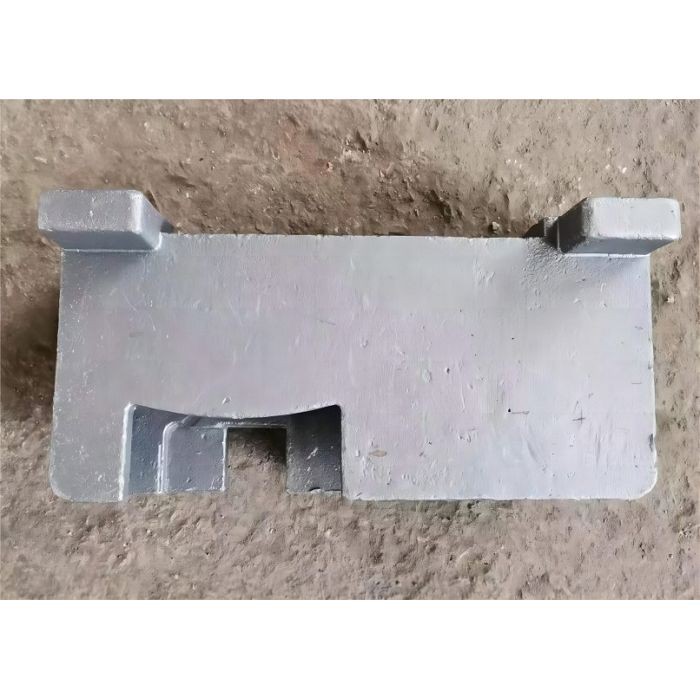

The Recyclability of Mechanical Castings
Mechanical castings are typically made from metals such as iron, steel, aluminum, and copper. These metals are inherently recyclable, which means that mechanical castings can indeed be recycled. Recycling metal castings is a well - established practice in the manufacturing industry, and it offers several advantages over producing new castings from raw materials.
The Recycling Process
The recycling process of mechanical castings generally begins with collection. As a supplier, I often receive feedback from customers about the end - of - life of our products. We encourage them to return used or discarded castings to us for recycling. Once the castings are collected, they are sorted based on their material composition. Different metals have different melting points and properties, so accurate sorting is crucial.
After sorting, the castings are cleaned to remove any contaminants such as dirt, grease, or paint. This step is essential to ensure the quality of the recycled metal. The cleaned castings are then melted in a furnace. The melting process requires a significant amount of energy, but it is still more energy - efficient than extracting and refining new metals from ores.
Once the metal is melted, it can be cast into new shapes and forms. This can be used to produce a wide range of products, including Construction Machinery Parts and Mine Fittings.
Benefits of Recycling Mechanical Castings
One of the most significant benefits of recycling mechanical castings is environmental protection. Mining and refining new metals from ores are energy - intensive processes that generate large amounts of greenhouse gases and other pollutants. Recycling reduces the demand for new metal extraction, thereby conserving natural resources and reducing the environmental impact of the manufacturing industry.
Economically, recycling mechanical castings can be highly beneficial. It reduces the cost of raw materials for manufacturers. Since recycled metals are often cheaper than newly mined metals, companies can save on production costs. Additionally, recycling creates jobs in the recycling and re - manufacturing sectors.
From a quality perspective, recycled metals can have properties similar to those of newly produced metals. With proper processing and quality control, recycled metals can be used to produce high - quality mechanical castings that meet the same standards as those made from virgin materials.
Challenges in Recycling Mechanical Castings
Despite the many benefits, there are also challenges associated with recycling mechanical castings. One of the main challenges is the presence of impurities. Mechanical castings may contain a variety of alloys and contaminants, which can make the recycling process more complex. For example, some castings may have coatings or inclusions that are difficult to remove during the cleaning process. These impurities can affect the quality of the recycled metal and may require additional processing steps.
Another challenge is the logistical aspect of collecting and transporting used castings. Since mechanical castings are often heavy and bulky, it can be costly to collect them from different locations and transport them to a recycling facility. This can sometimes limit the amount of castings that are actually recycled.
The market demand for recycled mechanical castings can also be a challenge. Some customers may have concerns about the quality of recycled products, even though they can meet the same standards as new ones. Overcoming these perceptions and building trust in recycled castings is an important step in promoting the recycling industry.
Our Role as a Supplier
As a supplier of mechanical castings, we play a crucial role in promoting the recycling of our products. We have established a collection program to encourage our customers to return used castings to us. We work closely with recycling facilities to ensure that the castings are recycled in an efficient and environmentally friendly manner.
We also invest in research and development to improve the recyclability of our castings. This includes developing new alloys and coatings that are easier to recycle and designing products with disassembly in mind. By making our products more recyclable from the start, we can contribute to a more sustainable manufacturing industry.
In addition, we educate our customers about the benefits of recycling mechanical castings. We believe that by raising awareness about the environmental and economic advantages of recycling, we can encourage more customers to choose recycled castings and to participate in the recycling process.
Conclusion
In conclusion, mechanical castings can definitely be recycled. The recyclability of these products offers significant environmental, economic, and quality benefits. Although there are challenges in the recycling process, with the right strategies and efforts, we can overcome them.
As a supplier, we are committed to promoting the recycling of mechanical castings and to providing high - quality recycled products to our customers. If you are interested in purchasing mechanical castings, whether new or recycled, or if you have any questions about our products or the recycling process, please feel free to contact us for procurement discussions.
References
- Metals Handbook: Properties and Selection: Nonferrous Alloys and Pure Metals. ASM International.
- Recycling of Metals and Engineered Materials. Wiley.
- Environmental Impact of Metal Production and Recycling. Journal of Cleaner Production.