




Can biomass grates use waste biomass?
 May 23, 2025|
As a seasoned supplier of Biomass Grates, I've witnessed firsthand the growing interest in biomass energy and the role that waste biomass can play in this burgeoning field. The question of whether biomass grates can use waste biomass is not only relevant but also crucial for the future of sustainable energy. In this blog, I'll explore the feasibility, benefits, and challenges of using waste biomass in biomass grates.
Feasibility of Using Waste Biomass in Biomass Grates
Biomass grates are designed to burn various forms of biomass, including waste biomass. Waste biomass encompasses a wide range of materials, such as agricultural residues (e.g., straw, corn stalks), forestry waste (e.g., sawdust, bark), and even some types of municipal solid waste (e.g., food waste, paper). These materials can be combusted on biomass grates to produce heat and power.
The key to using waste biomass in biomass grates lies in the proper design and operation of the grate system. Biomass grates need to be able to handle the diverse physical and chemical properties of waste biomass. For example, some waste biomass may have a high moisture content, which can affect the combustion process. To address this, biomass grates can be equipped with features such as pre - drying zones or adjustable air supply systems to ensure efficient combustion.
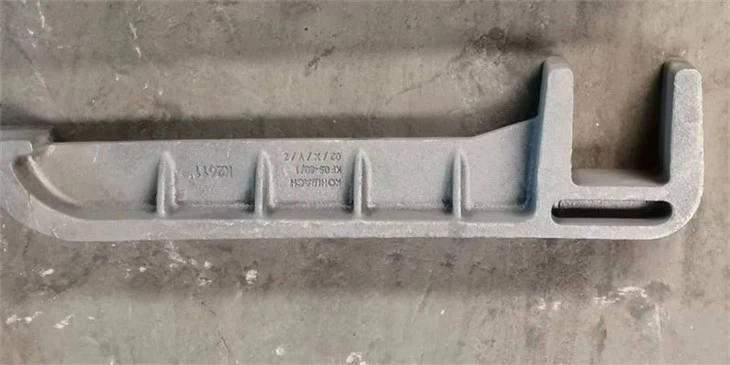
Moreover, the particle size and density of waste biomass also vary significantly. Biomass grates should be designed to accommodate different particle sizes, from fine sawdust to larger pieces of agricultural residues. This can be achieved through the use of appropriate grate bar designs and movement mechanisms. For instance, [Cast Iron Boiler Fire Grate Bar](/heat - resisting - steel/grate - bar/cast - iron - boiler - fire - grate - bar.html) provides a sturdy and reliable surface for burning waste biomass, while [Sinter Mechanical Alloy Grate Bar](/heat - resisting - steel/grate - bar/sinter - mechanical - alloy - grate - bar.html) offers enhanced wear resistance, which is beneficial when dealing with abrasive waste biomass materials.
Benefits of Using Waste Biomass in Biomass Grates
Environmental Benefits
One of the most significant advantages of using waste biomass in biomass grates is its positive impact on the environment. By utilizing waste biomass as a fuel source, we can reduce the amount of waste that would otherwise end up in landfills. Landfills are a major source of methane emissions, a potent greenhouse gas. When waste biomass is burned in biomass grates, it releases carbon dioxide, but since the biomass was recently part of the carbon cycle, it is considered carbon - neutral. This means that the carbon dioxide released during combustion is roughly equal to the amount of carbon dioxide absorbed by the plants during their growth, resulting in a net - zero carbon footprint.
Economic Benefits
Using waste biomass can also bring economic benefits. Waste biomass is often readily available at a relatively low cost, especially in agricultural and forestry - rich regions. By using this waste material as fuel, biomass energy producers can reduce their fuel costs compared to using traditional fossil fuels. Additionally, the development of the waste biomass - to - energy industry can create jobs in waste collection, processing, and power generation.
Energy Security
Relying on waste biomass for energy production can enhance energy security. Unlike fossil fuels, which are finite and subject to price fluctuations and geopolitical tensions, waste biomass is a domestic and renewable resource. By using waste biomass in biomass grates, countries and regions can reduce their dependence on imported fossil fuels and ensure a more stable and sustainable energy supply.
Challenges of Using Waste Biomass in Biomass Grates
Quality Variability
As mentioned earlier, waste biomass has a high degree of variability in terms of its physical and chemical properties. The moisture content, particle size, and chemical composition of waste biomass can vary depending on the source, season, and storage conditions. This variability can make it difficult to maintain a stable and efficient combustion process in biomass grates. For example, a sudden increase in the moisture content of waste biomass can lead to incomplete combustion, reduced heat output, and increased emissions.

Ash and Corrosion
Waste biomass often contains higher levels of ash and corrosive elements compared to traditional biomass fuels. The ash can accumulate on the grate bars and in the combustion chamber, reducing heat transfer efficiency and potentially causing blockages. Corrosive elements, such as chlorine and sulfur, can react with the grate materials, leading to corrosion and premature wear. To mitigate these issues, biomass grates need to be made of high - quality materials, such as [High Temperature Resistant Grate Bar](/heat - resisting - steel/grate - bar/high - temperature - resistant - grate - bar.html), which can withstand the harsh conditions of waste biomass combustion.
Regulatory and Permitting Issues
The use of waste biomass in biomass grates is subject to various regulatory and permitting requirements. These requirements are in place to ensure environmental protection and public safety. Biomass energy producers need to comply with regulations regarding emissions, waste management, and air quality. Obtaining the necessary permits can be a time - consuming and costly process, which can pose a challenge for some operators.
Solutions to Overcome the Challenges
Pretreatment of Waste Biomass
Pretreatment of waste biomass can help reduce the variability in its properties. This can include processes such as drying, shredding, and pelletizing. Drying the waste biomass can reduce its moisture content, improving combustion efficiency. Shredding and pelletizing can ensure a more uniform particle size, which is beneficial for the combustion process.
Advanced Grate Design and Monitoring
Advanced grate designs can be developed to better handle the challenges of waste biomass combustion. For example, grates can be equipped with self - cleaning mechanisms to prevent ash accumulation. Additionally, real - time monitoring systems can be installed to detect changes in the combustion process and adjust the operating parameters accordingly.
Collaboration with Regulatory Authorities
Biomass energy producers should collaborate closely with regulatory authorities to ensure compliance with all relevant regulations. By engaging in open communication and demonstrating the environmental and economic benefits of using waste biomass, producers can help streamline the permitting process and promote the development of the waste biomass - to - energy industry.
Conclusion
In conclusion, biomass grates can indeed use waste biomass as a fuel source. The feasibility of using waste biomass depends on the proper design and operation of the grate system, as well as the pretreatment of the waste biomass. While there are challenges associated with using waste biomass, such as quality variability, ash and corrosion, and regulatory issues, these challenges can be overcome through advanced technologies and collaborative efforts.
The benefits of using waste biomass in biomass grates, including environmental protection, economic savings, and energy security, make it a promising option for the future of sustainable energy. As a Biomass Grates supplier, I am committed to providing high - quality grate products that can effectively utilize waste biomass.
If you are interested in exploring the use of waste biomass in your biomass energy projects or are looking for reliable Biomass Grates, I encourage you to contact me for a detailed discussion. We can work together to find the best solutions for your specific needs.
References
- Brown, T. R., & Brown, D. R. (2014). Biomass Energy: Principles and Applications. Routledge.
- Demirbas, A. (2009). Biomass to biofuels: Strategies for global warming control. Energy Conversion and Management, 50(5), 1139 - 1148.
- Jenkins, B. M., Baxter, L. L., Miles, T. R., & Miles, T. R. (1998). Combustion properties of biomass. Fuel Processing Technology, 54(1), 17 - 46.