




Are there any regulations regarding boiler grate bars?
 Jul 17, 2025|
 Are there any regulations regarding boiler grate bars?
As a seasoned supplier of boiler grate bars, I've encountered numerous inquiries about the regulations surrounding these crucial components. Boiler grate bars play a pivotal role in the efficient and safe operation of boilers, and understanding the regulations governing them is essential for both manufacturers and end - users.

The Importance of Boiler Grate Bars
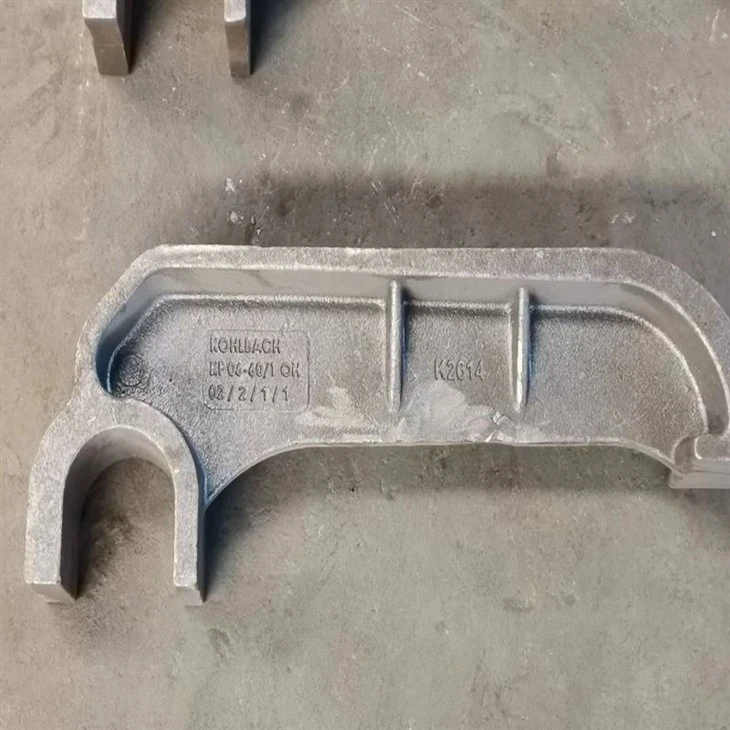
Before delving into the regulations, it's important to understand the significance of boiler grate bars. These bars are the foundation upon which the fuel burns in a boiler. They support the fuel load, allow for proper air distribution, and facilitate the movement of ash and unburned residues. A well - designed and properly functioning grate bar ensures optimal combustion, which in turn leads to energy efficiency, reduced emissions, and extended boiler life.
National and International Regulations
There are several national and international regulations that govern the manufacturing, installation, and use of boiler grate bars. In the United States, the American Society of Mechanical Engineers (ASME) sets the standards for boiler and pressure vessel construction, including the requirements for grate bars. ASME codes provide detailed specifications on materials, design, fabrication, and inspection procedures. For instance, ASME Section I covers power boilers, and it mandates that grate bars must be made of materials that can withstand high temperatures and mechanical stresses.
Internationally, the International Organization for Standardization (ISO) also has relevant standards. ISO standards focus on quality management, safety, and environmental aspects. These standards ensure that boiler grate bars are manufactured in a way that meets global quality benchmarks, promoting interoperability and safety across different regions.
Material Regulations
One of the key aspects of regulations regarding boiler grate bars is the material used. Grate bars are exposed to extreme conditions, including high temperatures, abrasion, and corrosion. Therefore, the materials must be carefully selected to ensure durability and performance.
Heat - resistant steels are commonly used for boiler grate bars. For example, the Heat Resistant Steel Intermediate Grate SCH11 is a popular choice. These steels are designed to maintain their strength and integrity at high temperatures, preventing deformation and failure. Regulations often specify the chemical composition, mechanical properties, and heat - treatment processes for these materials. For instance, they may require a minimum chromium and nickel content in heat - resistant steels to enhance their corrosion and heat resistance.
Design and Manufacturing Regulations
Design and manufacturing processes are also tightly regulated. Grate bars must be designed to provide adequate support for the fuel load and ensure proper air distribution. The spacing between the bars, the shape of the bars, and the overall configuration of the grate system are all factors that are considered in the design regulations.
During the manufacturing process, strict quality control measures are in place. Welding, casting, and machining operations must be carried out in accordance with the specified standards. For example, welds on grate bars must be inspected for defects such as cracks, porosity, and lack of fusion. Non - destructive testing methods, such as ultrasonic testing and magnetic particle testing, are often used to detect these defects.
Installation and Maintenance Regulations
Proper installation and maintenance of boiler grate bars are crucial for their safe and efficient operation. Regulations typically require that installation be carried out by qualified personnel. These installers must follow the manufacturer's instructions and ensure that the grate bars are correctly aligned, secured, and connected to the boiler system.
Regular maintenance is also mandatory. This includes inspections for wear and tear, cleaning to remove ash and debris, and replacement of damaged or worn - out bars. Maintenance records must be kept to demonstrate compliance with the regulations. For example, if a grate bar shows signs of excessive wear, it must be replaced in a timely manner to prevent potential safety hazards.
Safety Regulations
Safety is of utmost importance when it comes to boiler grate bars. Regulations aim to prevent accidents such as fires, explosions, and structural failures. Grate bars must be designed and installed in a way that minimizes the risk of fuel leakage and overheating.
For industrial boilers, the Furnace Grate Bar for Industrial is subject to even more stringent safety regulations. These boilers often operate at higher pressures and temperatures, and any failure of the grate bars can have serious consequences. Safety features such as emergency shut - off systems and pressure relief valves are also required to be in place and properly maintained.
Regulatory Compliance and Its Benefits
Complying with the regulations regarding boiler grate bars offers several benefits. For manufacturers, it ensures that their products are of high quality and can be sold in the market. It also reduces the risk of product liability claims, as compliant products are less likely to cause accidents or failures.
For end - users, regulatory compliance means a safer and more efficient boiler operation. It helps to prevent costly downtime due to breakdowns and ensures that the boiler meets environmental standards by promoting efficient combustion and reducing emissions.
Different Types of Grate Bars and Their Regulatory Considerations
There are various types of boiler grate bars, each with its own regulatory considerations. For example, Reciprocating Grate systems have unique design and operational requirements. These grates move the fuel along the combustion chamber, and regulations focus on ensuring smooth movement, proper sealing, and efficient fuel distribution.
Traveling grate bars, on the other hand, require regulations related to the chain drive system, tensioning, and alignment. Each type of grate bar must be designed and manufactured to meet the specific regulatory requirements for its application.
The Role of Regulatory Bodies in Enforcing the Rules
Regulatory bodies play a crucial role in ensuring compliance with the regulations. They conduct inspections, issue certifications, and enforce penalties for non - compliance. These bodies also keep the regulations up - to - date, taking into account new technologies, materials, and safety concerns.
For example, they may update the material requirements for grate bars as new heat - resistant alloys are developed. They also work closely with industry stakeholders, including manufacturers, installers, and end - users, to provide guidance and support in understanding and implementing the regulations.
Conclusion
In conclusion, there are indeed numerous regulations regarding boiler grate bars. These regulations cover materials, design, manufacturing, installation, maintenance, and safety. As a boiler grate bar supplier, I am committed to ensuring that all our products comply with these regulations. We understand the importance of providing high - quality, safe, and efficient grate bars to our customers.
If you are in the market for boiler grate bars and want to ensure that you are getting a product that meets all the necessary regulations, we invite you to contact us for a detailed discussion. Our team of experts can provide you with the information you need and help you select the right grate bars for your specific application. Let's work together to ensure the safe and efficient operation of your boiler system.
References
- American Society of Mechanical Engineers (ASME). Boiler and Pressure Vessel Code.
- International Organization for Standardization (ISO). Relevant ISO standards for boiler components.